Loading video…
All breakouts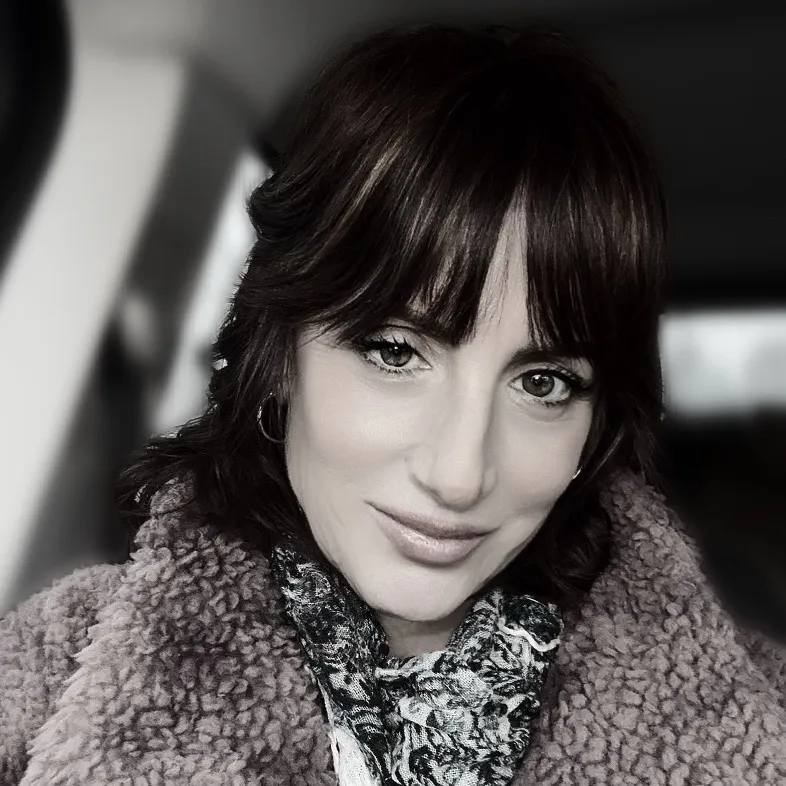
162Talking HeadStory Open hookLifestyle
Hook
But she's your mother! Ugh 🙄
@leelo_von_b
29.3K followers · usually 1.7K views a post
Views
254.4K
Likes
20.5K
Comments
3.6K
Shares
2.4K
Why it worked
The video succeeds by tapping into a highly relatable, emotionally resonant topic—generational trauma and the 'parentification' of adult children—which encourages high engagement in the comments section from viewers sharing similar experiences.
Summary
The creator discusses the challenges of growing up with an emotionally unavailable parent and the ongoing process of healing from that trauma as an adult. She argues against the societal expectation that adult children must maintain relationships with such parents at the cost of their own mental health.
Structure
- 1Personal experience of growing up with an emotionally unavailable mother.
- 2The development of hyper-independence as a survival mechanism.
- 3The unfair burden placed on adult children to maintain these relationships.
- 4The necessity of breaking generational cycles by setting boundaries or estrangement.
- 5Refusal to tolerate toxic behavior for the sake of societal expectations.
On-screen text
But she's your mother! Ugh 🙄
I'M A 59
X MOM WHO
GREW UP WITH
A PRESENT BUT
ABSENT MOTHER
AND CAN WE
TALK ABOUT SOMETHING
THAT ABSOLUTELY BLOWS
MY MIND
FIRST OFF,
LET ME PAINT
THE PICTURE OF
MY MOM AND
SO MANY OTHER
GEN XERS AND
THEIR MOMS.
AND YOU KNOW,
IF YOU THINK
THAT THIS WASN'T
A TREND,
JUST LOOK IN
THE COMMENTS OF
HOW MANY TIMES
I POST ABOUT
THIS KIND OF STUFF,
AND YOU WILL
SEE PEOPLE SAYING,
DID WE GROW UP
IN THE
SAME HOUSE?
NOW IT WASN'T
EVERYBODY,
BUT IT DEFINITELY
WAS A THING.
I HAD A
STAY AT HOME MOM,
NOT ONE OF
THOSE MOMS THAT
WAS BUSTING HER
ASS HARD IN
MULTIPLE JOBS
TO PUT FOOD
ON THE TABLE.
A STAY AT
HOME MOM WITH
THE TIME IN
THE MEANS.
AND SHE NEVER
PLAYED WITH ME,
NEVER READ BOOKS
TO ME, NEVER
TAUGHT ME ANYTHING,
AND, WELL,
I TAKE THAT
BACK.
ONE TIME SHE
TRIED TO TEACH
ME HOW TO
TIE MY SHOES
AND GAVE UP
AFTER LIKE
TWO ATTEMPTS.
AND
I REMEMBER SITTING
IN MY ROOM
AND I HAD THOSE,
YOU KNOW THOSE WHITE,
BLACK AND WHITE
SADDLE SHOES,
YOU KNOW THE ONES.
AND I
JUST SAT THERE
ALL DAY BY MYSELF,
FOUR YEARS OLD,
JUST TRYING UNTIL
I COULD GET IT.
AND, YOU KNOW,
I JUST LEARNED
EARLY ON THAT
NOBODY IS COMING
TO SAVE YOU.
AND DID SHE
CELEBRATE WHEN I
FINALLY GOT MY,
YOU KNOW, ACHIEVEMENT
WITH THE TIED
SHOES? NOPE.
YOU KNOW, GOT
MY PERIOD FOR
THE FIRST TIME.
SHE NEVER
LOOKED UP FROM HER
ROMANCE NOVEL.
JUST YELL, PADS
ARE UNDER THE SINK.
YOU'LL FIGURE IT
OUT. AND THOSE
WERE THE ONES
WITH THE STRAPS.
I MEAN, I'M
OLD ENOUGH TO
HAVE HAD THOSE.
THERE WAS
NEVER A CELEBRATION OF
ANY KIND OF MILESTONE
OR ANY KIND
OF EMOTIONAL ATTUNEMENT
FOR EVEN THE
SMALLEST THING.
CRY AND I'LL
SAY,
I'LL GIVE YOU
SOMETHING TO CRY ABOUT.
LITERALLY
LEFT ON
MY OWN TO
FIGURE ALL THINGS OUT.
AND YES,
I LEARNED INDEPENDENCE.
IT'S DEFINITELY A
SKILL THAT I ACQUIRED,
YOU KNOW, OUT
OF NECESSITY,
BUT AT WHAT
COST? IT CERTAINLY
HAS IMPACTED MY
ADULT LIFE.
YOU KNOW WHY
I STAYED WITH
RELATIONSHIPS FOR TOO LONG?
HYPER INDEPENDENCE.
OR,
LIKE I DON'T NEED
ANYBODY OR PEOPLE PLEASING
OR OVER FUNCTIONING.
DIFFICULTY IDENTIFYING OR
EXPRESSING MY OWN NEEDS.
THAT'S A BIG
ONE. FEELING RESPONSIBLE
FOR EVERYONE ELSE'S EMOTIONS.
GUILT WHEN ESTABLISHING
BOUNDARIES,
UM, ALLOWING PEOPLE
WITH NO EMOTIONAL
AVAILABILITY TO DICTATE
MY MOOD.
SO LET ME
ASK YOU,
WHY IS IT
THAT WHEN YOU
GROW UP WITH
AN EMOTIONALLY UNAVAILABLE PARENT,
EVERYBODY EXPECTS YOU
TO DO ALL
THE WORK TO
MAINTAIN THE RELATIONSHIP?
PEOPLE SAY, WHEN
WAS THE LAST
TIME YOU CALLED
YOUR MOTHER?
YOU KNOW, I DON'T KNOW,
KAREN, WHEN IS THE
LAST TIME SHE
CALLED A BEHAVIORAL THERAPIST?
BECAUSE, DAMN,
I'VE BEEN DOING
THE WORK.
I'VE SPENT YEARS UNPACKING
THE EMOTIONAL NEGLECT,
RECOGNIZING THE PATTERNS,
HEALING THE DAMAGE.
LEARNING BOUNDARIES
AND MAKING FOR
DAMN SURE I
DIDN'T PASS THAT
SHIT DOWN TO
MY DAUGHTER.
AND WHAT DID.
WHAT DID SHE DO?
HERE'S SOMETHING THAT
NOBODY LIKES TO
TALK ABOUT IN
THE SUNLIGHT.
SOME OF THOSE
PARENTS ARE THE
EXACT SAME
EMOTIONALLY IMMATURE PEOPLE
THAT THEY WERE
WHEN WE WERE CHILDREN,
EXCEPT NOW THEY'RE
ELDERLY AND
SUDDENLY THERE'S
THIS EXPECTATION
THAT WE'RE SUPPOSED
TO BECOME THEIR
EMOTIONAL SUPPORT SYSTEM,
THEIR CAREGIVER, THEIR
THERAPIST,
AND THEIR PUNCHING
BAG. YOU KNOW,
I DIDN'T APPLY FOR
ALL THOSE POSITIONS.
NO. AND WHY
IS NOBODY,
AND I MEAN
NOBODY, ASKING THEM
WHAT THEY'VE DONE
TO REPAIR THE RELATIONSHIP?
WHY ISN'T ANYBODY
UP IN THEIR BUSINESS?
YOU JUST
NEVER HEAR ABOUT THAT.
HAVE WE SAID
TO THEM, HAVE
YOU APOLOGIZED TO
YOUR DAUGHTER?
HAVE YOU ACKNOWLEDGED
THE HARM THAT
YOU'VE CAUSED?
HAVE YOU DONE
ANY WORK ON YOURSELF?
NOPE. INSTEAD,
EVERYBODY'S OVER HERE
INTERVIEWING THE ADULT CHILD
LIKE WE'RE THE ONES
WHO CREATED THE PROBLEM.
I MEAN, I
WAS THE CHILD
IN THAT RELATIONSHIP.
I DID NOT
CREATE THE DYSFUNCTION.
I JUST INHERITED
THE BILL.
I HAVE SPENT
MY ENTIRE ADULT
LIFE PAYING IT OFF,
BREAKING THE CYCLE.
I HAVE MOVED ON.
BUT SOCIETY
AND SOMEONE IN
THE COMMENTS INEVITABLY
WILL PROVE IT
BY SAYING SOMETHING LIKE,
BUT SHE'S YOUR MOTHER
OR
I WANNA SET
AN EXAMPLE FOR
MY CHILD AND
CONTINUE TO TAKE
CARE OF HER,
YOU KNOW,
TO BE THE GOOD EXAMPLE.
BUT I'M SORRY,
BUT I DO
NOT EXPECT MY
CHILD TO TAKE
THAT LEVEL OF
TRAUMA FROM ME.
SHE OWES ME
NOTHING.
AND I CERTAINLY
DON'T WANNA TEACH
HER TO TAKE
THAT LEVEL OF
TOXICITY FROM FAMILY,
LET ALONE ANYBODY
ELSE. SO, NO,
I DON'T BELIEVE
BREAKING GENERATIONAL CYCLES
MEANS SPENDING THE
REST OF MY LIFE
TOLERATING THE VERY
BEHAVIOUR THAT I
HAVE WORKED SO
HARD TO HEAL FROM.
YOU KNOW, BREAKING THE CYCLE
DOESN'T MEAN I
BECOME THE PARENT
THAT MY MOTHER
NEVER WAS TO ME.
IT MEANS I
GET TO STOP PARTICIPATING
IN THE DYSFUNCTION.
FOR SOME, YOU
THAT MIGHT MEAN
SETTING REALLY STRONG BOUNDARIES.
AND FOR
OTHERS THE WOUND MAY
BE SO DAMN DEEP
THAT IT MEANS
BECOMING ESTRANGED FROM
YOUR MOTHER IS THE ONLY
THING THAT YOU
CAN DO TO
STAY MENTALLY HEALTHY.
AND IF THAT
MAKES SOME PEOPLE
FEEL UNCOMFORTABLE, WELL,
MAYBE THEY SHOULD
TALK TO THEIR
THERAPIST ABOUT THAT.
Original caption
Spent my childhood surviving her behavior, my adulthood healing from it, and now I’m supposed to manage it. Absolutely f*cking not. #genx #momtok #healing #momsoftik
More from @leelo_von_b
More breakout videos from this creator.


