Loading video…
Sound

original sound - user9556000383818
user9556000383818 · Original audio
0:00–:––
Playing this video’s own audio, so you’ll hear the creator over the sound.
Hook
Posted Oct 23, 2026Video · 3:04by @user9556000383818
The video provides high-value, actionable seasonal advice that solves a specific pain point for gardeners, building trust before introducing a relevant, low-cost digital product.
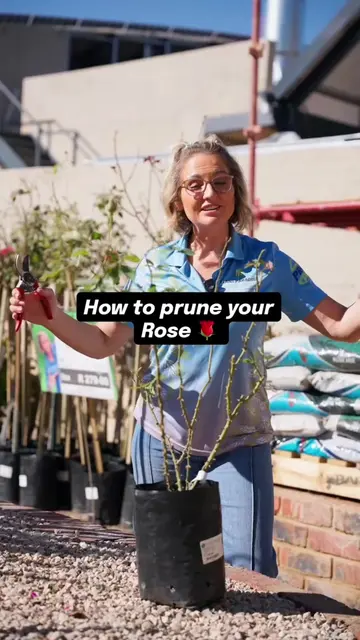
The creator provides gardening advice on how to prepare roses for winter to ensure better blooms the following year. The video concludes by promoting a digital 'Plant Fix & Bloom' cheat sheet for purchase.
Your Roses Need This Every October — Do It Now for 3x More Blooms Next Year #RoseCare #GardenTips #FallGardening #PlantCare #FlowerGardening
YOUR ROSES NEED THIS EVERY OCTOBER — DO IT NOW FOR 3X MORE BLOOMS NEXT YEAR
Introduction to October rose care
Explanation of why roses need to store energy
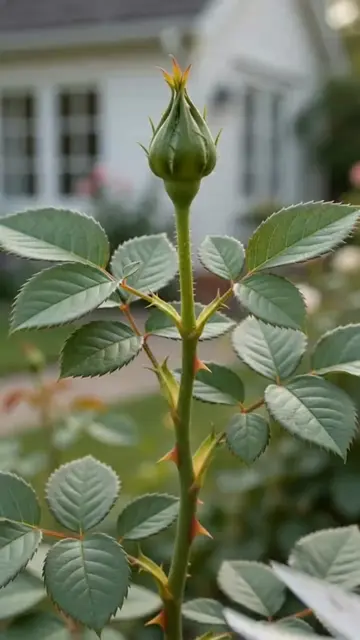
Step 1: Stop deadheading to let hips form
Step 2: Switch to potash fertilizer
Pitch for the Plant Fix & Bloom cheat sheet
Gro-Sure Tomato Food: (a) ACTS — it is shown as a product recommendation for potash, and the creator explains its role in flower formation. Removing it would change the specific advice given. Plant Fix & Bloom: (a) ACTS — it is the product being sold via the CTA, with its interface (a digital cheat sheet) shown on screen. Removing it would remove the commercial intent of the video.
GET THE CHEAT SHEET - $10
Playing this video’s own audio, so you’ll hear the creator over the sound.
Digital gardening guide for people growing plants
All time.
Outliers and viral hits: their videos on Overshot, all time.