Hook
More breakout videos from this creator.
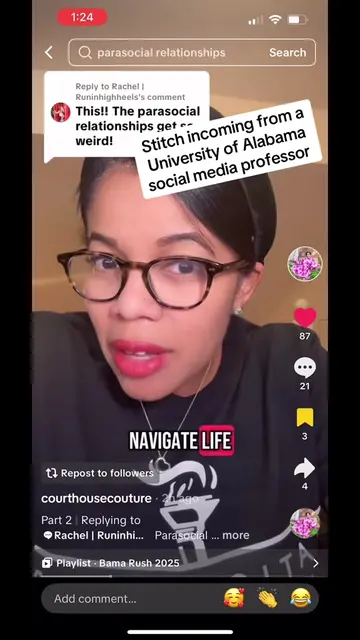
Welcome to the post-authenticity era of social media. So let's talk about influencers, cynicism, commercialization and this pervasive culture of online distrust. Hi, my name is Jess. I'm a social media professor, researcher and teacher at the University of Georgia. And my book, Anatomy of an Internet Scandal: Content Creators in the Politics of Going Viral comes out next year. I've been struggling to make this video for a long time because while it works in longer content like a book that's coming out next year, it's not really good for short form content because it requires a lot of nuance. I don't wanna be an apologist for bad behavior, but what I do wanna do is zoom out and look at our broader social media landscape and think about the inevitability of fucking up or even simply disagreeing with someone when our lives are lived so publicly. I've watched a lot of creators I really like come under fire this year for a whole host of reasons, and I'm not gonna name them cause I'm not interested in litigating those situations. But I am interested in these long-term ramifications of living our lives so publicly and how people are now turning against the very authenticity we once craved. And yeah, some of these creators I followed have, you know, for lack of a better term, fucked up. This one creator I follow, um, doxed a very rude commenter, for instance. And even though that commenter was being a huge asshole, doxing is always bad and always wrong. But yet I've watched this, you know, backlash and arguments about this person and whether what they go back and forth and back and I kid you not, on one video, this commenter literally said that this creator for doxing somebody was worse than Israel and worse than ice. And they were serious because they were doubling down on that position in the comment section. Part of the problem with online culture, as research shows, is that we are so much more likely to encounter a perceived moral violation online than we are offline. For instance, we may see somebody litter and, you know, silently judge them. But that doesn't happen often in our everyday lives. But online we are inundated with things that we deem bad behavior. But instead of realizing everybody makes mistakes and that some people have just chosen to live their lives and do labor in a way that makes their mistakes very visible and very public, we have all become many cops that want to be police, judge and jury for everyone's bad actions. I do not think it is a good thing that we are so carceral with one another online. Now, before the reply guys come for me, let me say I'm someone who does not believe anyone is above criticism. I also believe that there is a power and ethics in a platform. And I did this by distinguishing between authenticity as performance and authenticity as realism. And the thing is, social media researchers like myself have long known authenticity as a performance. But the thing about that now is audiences are really more so clued in than ever before, especially when bad behavior and immoral actions happen. That authenticity was always a performance. In other words, creators and influencers are actors portraying a very selective version of their lives. So now that strategy of authenticity that was once deemed successful for online performance is now being seen as manipulative and selective. And yeah, probably always was a little bit of this, but audiences are much more clued into this now. Let me know what questions and comments you have down below.