Loading video…
All breakouts
17.3Talking HeadContrarian hookEducation
Hook
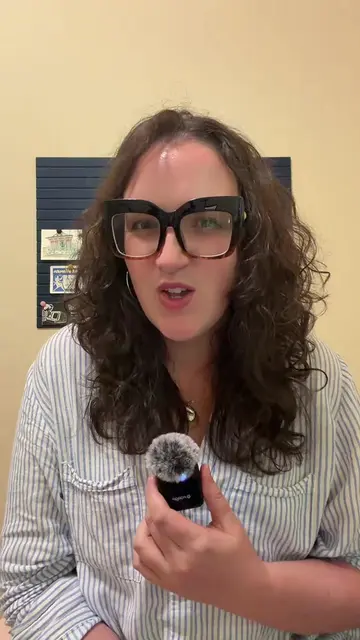
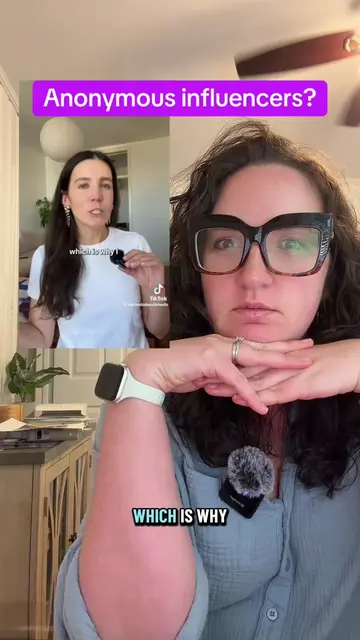
Hey, so generative AI witch hunts are a bad thing, actually.
@drjess21
9.0K followers · usually 1.6K views a post
Views
24.4K
Likes
966
Comments
28
Shares
15
Why it worked
The video addresses a trending, controversial topic (AI accusations) with a contrarian, expert-led perspective, which encourages high engagement through comments and shares.
Summary
The creator discusses the negative impact of 'AI witch-hunts' where people incorrectly label human-made content as AI-generated. She argues that these accusations create distrust and unfairly target creators, emphasizing that there is no foolproof way to identify AI-generated content.
Structure
- 1Introduction to the AI witch-hunt phenomenon
- 2Explanation of why these accusations are harmful
- 3Reference to a previous video on the importance of process
- 4Critique of AI detection software and its promoters
- 5Conclusion on the culture of distrust
Call to action
Let me know what questions and comments you have down below.
On-screen text
FYI, THAT "AI" GRAPHIC IN 'THE DEVIL WEARS PRADA' WAS MADE BY A REAL ARTIST
ONE
Exceptions apply:
See a human with four legs
and twelve fingers on one hand
Tr*mp Jesus
Anything this admin puts out
Hachette pulls horror novel
Shy Girl after suspected AI
use
Original caption
Over the weekend, many people were outraged when it seemed like The Devil Wears Prada 2 used generative AI. But this was just another example of a supposed tell being completely wrong. Generative AI witch-hunts are not good. They create pervasive distrust, confuse taste with truth, and create more labor for people. Also, I could not find the artist of this Meryl Streep image on TikTok. If you know her, please tag her below so I can edit the caption and give her all the wonderful credit she deserves! #ai #generativeai
More from @drjess21
More breakout videos from this creator.