Loading video…
All breakouts
11.4Talking HeadOther hookEducation
Hook
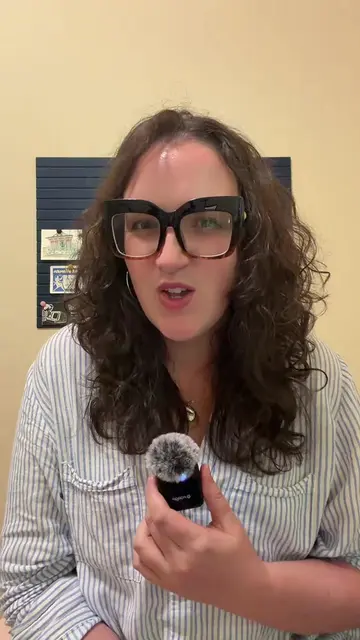
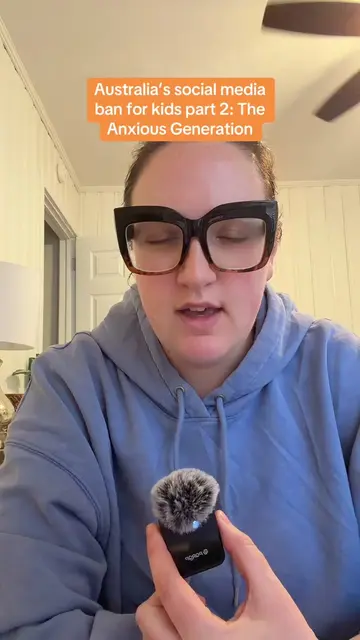
I'm the editor in chief of a new academic journal called Creator and Influencer Studies.
@drjess21
9.0K followers · usually 1.6K views a post
Views
16.0K
Likes
1.6K
Comments
113
Shares
85
Why it worked
The video succeeds by demystifying a niche, high-authority process (academic peer review) through a relatable, behind-the-scenes 'day-in-the-life' format. It builds trust and authority by showing the human side of a professional role.
Summary
The creator, an academic journal editor, walks viewers through the peer review process for a new submission. She explains how she assesses the paper's suitability and selects peer reviewers using the journal's editorial dashboard.
Structure
- 1Introduction to the journal
- 2Explaining the submission process
- 3Assessing paper suitability
- 4Searching for peer reviewers
- 5Creating a reviewer shortlist
- 6Sending out invitations
Call to action
Let me know what questions you have down below.
On-screen text
I'M THE EDITOR
IN CHIEF OF
A NEW ACADEMIC
JOURNAL CALLED
CREATOR AND
INFLUENCER STUDIES.
AND I JUST
HAD A
SUBMISSION COME IN,
SO I THOUGHT
I WOULD TAKE
YOU GUYS ALONG
WITH ME
AND TALK ABOUT
WHAT THIS PROCESS
NOW LOOKS LIKE.
MY NAME IS
JESS, I'M A
SOCIAL MEDIA PROFESSOR,
RESEARCHER, AND TEACHER
AT THE UNIVERSITY
OF GEORGIA
AND THE EDITOR
IN CHIEF OF
A NEW SPRINGER
NATURE ACADEMIC JOURNAL
CALLED CREATOR AND
INFLUENCER STUDIES.
WE ARE THE
WORLD'S FIRST
JOURNAL DEVOTED TO
ALL THINGS
STUDIES OF THE
CREATOR AND
INFLUENCER ECONOMIES
AND TO DEMYSTIFY
THIS PROCESS OF
PEER REVIEW
AND WHAT HAPPENS
WHEN YOU SUBMIT
A JOURNAL TO
ME.
I KNOCKED OVER
MY LIPSTICK.
LET'S DEMYSTIFY THE
PROCESS OF
WHAT HAPPENS WHEN
YOU SUBMIT
SOMETHING TO ME
AND WHAT I
DO NOW.
OBVIOUSLY, I CANNOT
SHOW YOU
ANYTHING BECAUSE OF
PRIVACY CONCERNS
AND TO
KEEP THE ANONYMITY
OF PEER REVIEW,
BUT I WILL
TALK ABOUT
WHAT I'M DOING
AS I GO
ALONG.
THE FIRST THING
THAT HAPPENS IS
I GET AN
EMAIL FROM THE
PUBLISHER SAYING THAT
I HAVE BEEN
ASSIGNED A
NEW SUBMISSION.
THIS JUST MEANS
SOMETHING HAS COME
IN, IT HAS PASSED
THE AUTOMATED QUALITY
CHECK
AND NOW IT
HAS COME TO
THE DESK.
AND SO OTHER
PUBLISHERS MAY DO
THIS DIFFERENTLY,
BUT THE SPRINGER
NATURE QUALITY CHECK
PROCESS TAKES A
LITTLE WHILE,
SO TYPICALLY,
ONCE YOU SUBMIT IT,
I DON'T SEE IT
FOR AT
LEAST SEVEN DAYS.
I'VE BEEN ALERTED,
NOW LET'S GO
LOOK AT
THE SUBMISSION.
THIS NOW TAKES
ME TO MY
HOMEPAGE,
WHICH HAS TASKS
AND SUBMISSIONS AND
ANALYTICS FOR THE
JOURNAL.
FIRST THINGS FIRST,
I NOW HAVE TO
READ THE
PAPER TO ASSESS
SUITABILITY.
THIS IS
BASICALLY WHERE I,
ONE, MAKE SURE
IT FITS THE
SCOPE OF THE
JOURNAL.
I HAVE HAD
TO DESK
REJECT A
COUPLE OF
ARTICLES SO FAR,
MAINLY BECAUSE
THEY DON'T ENGAGE
AT ALL
WITH CONTENT CREATOR
AND INFLUENCER STUDIES,
BUT ARE CONSIDERING
SOCIAL MEDIA MORE
BROADLY.
I'M VERY GRATEFUL
FOR THOSE PEOPLE
FOR EVEN
CONSIDERING THIS AS
AN OUTLET FOR
THEIR WORK IN
THE FIRST PLACE.
ASSESSING SUITABILITY
ALSO MATTERS
BECAUSE THIS IS
WHERE I
SEE IF THERE
IS, YOU KNOW,
ANY PLAGIARISM ISSUES,
ANY OF THOSE
PAPER MILL ISSUES
I'VE TALKED ABOUT,
HALLUCINATED CITATIONS
AND THINGS LIKE
THAT.
HALLUCINATED CITATIONS
ARE SUCH A
HUGE PROBLEM
RIGHT NOW,
BUT I'LL DO
A WHOLE OTHER
VIDEO ABOUT THAT.
ALL RIGHT, I
HAVE READ THE
ARTICLE.
I DEEM IT
AS PASSING
SUITABILITY
ASSESSMENT
BECAUSE IT FITS
THE SCOPE OF
THE JOURNAL.
UH, SO NOW
I WILL MOVE
TO FINDING PEER
REVIEWERS FOR THIS.
THE SPRINGER
NATURE SYSTEM IS
QUITE GOOD AT
THIS BECAUSE AS
SOON AS I
CLICK SEARCH REVIEWERS,
THEMATICALLY BASED ON
THE PAPER AND
KIND OF
TOPICALLY,
IT SUGGESTS
THOUSANDS OF
POTENTIAL REVIEWERS
FOR ME.
THE PROBLEM
HERE IS THAT
IT DOES
TYPICALLY ONLY GO
TOPICALLY AND
THEMATICALLY,
NOT METHODOLOGICALLY,
SO SOMETIMES WHEN
I'VE HAD A
PAPER THAT IS
ONE THING,
BUT REALLY DOING
A TOTALLY DIFFERENT
METHODOLOGY,
I REALLY HAVE
TO SEARCH TO
FIND, BUT THAT'S
PART OF THE
FUN.
I ACTUALLY KIND
OF ENJOY THIS
PROCESS RIGHT NOW
TO LIKE
GET THIS BIRD'S
EYE VIEW OF
WHO'S DOING WHAT.
I'M SURE I'LL
GET TIRED AT
SOME POINT,
BUT I'M ENJOYING
IT RIGHT NOW.
SEARCHING REVIEWERS
IN THE SYSTEM
HERE, I ALSO
GET TO ADD
REVIEWERS TO A
SHORT LIST,
SO I GET TO
KIND OF,
YOU KNOW,
MAKE A CONDENSED
LIST OF EVERYBODY
I WANT TO
INVITE.
THIS IS VERY
USEFUL IN THE
EVENT THAT
UH,
REVIEWERS SAY NO
OR GHOST ME.
AND I'M BEGGING
YOU,
UM,
PLEASE DON'T GHOST
YOUR JOURNAL REQUEST.
I HAVE LEARNED
FROM DOING THIS
THAT THIS MOVES
FASTER IF YOU
SAY NO,
BECAUSE THEN THAT
MEANS I COULD
GO IN FASTER
AND FIND A
NEW REVIEWER,
RATHER THAN WAITING
FOR LIKE THE
10 DAY WINDOW
TO EXPIRE.
AND OKAY, I
WILL SAY THE
FIRST PAGE OF
LIKE THE
THOUSANDS OF
POTENTIAL REVIEWERS
FOR THIS PAPER
ARE NOT
PARTICULARLY GOOD,
SO I'M GOING
TO GO TO THAT
PAPER'S CITATIONS
AND LOOK WHO
ARE THEY CITING
TO THEN REACH
OUT TO POTENTIAL
REVIEWERS THAT WAY.
ALL RIGHT, I
HAVE MY FIVE
PEOPLE ON MY
SHORTLIST,
I'VE RANKED THEM
BASED ON HOW
I BELIEVE THEY
THEMATICALLY ALIGN
WITH THE PAPER,
AND NOW I'M
GONNA SEND OUT
MY INVITES.
SO YEAH,
THAT'S KIND OF
WHAT THE PROCESS
IS.
LET ME KNOW
WHAT QUESTIONS
YOU HAVE DOWN
BELOW.
Original caption
Let’s demystify some of the peer review process, shall we? Come with me to assess suitably and find reviewers for a new submission to an academic journal. #research #researchersoftiktok #academia #peerreview
More from @drjess21
More breakout videos from this creator.