Hook

Their other posts in the index, biggest breakout first.
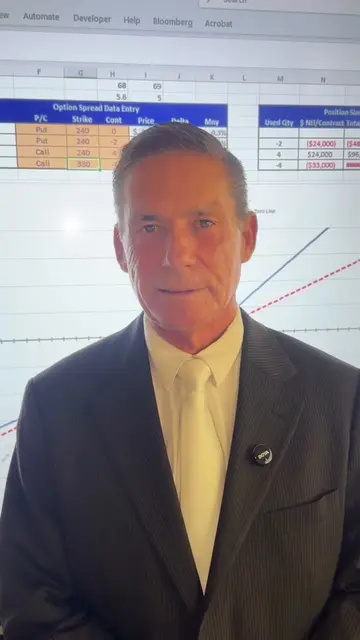
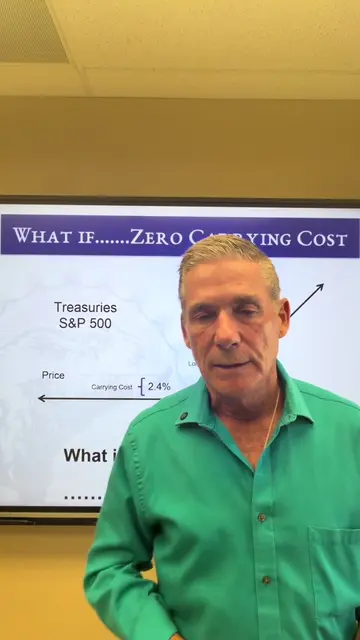
I want to talk about a strategy I teach my students that banks and insurance companies and brokerage firms do not want you to know. Here's an example. A client walked into my office in 2007. He had a three million dollar portfolio he had inherited. He wanted to invest in Vanguard VUG, it tracks the S&P 500, low cost. He liked that concept, buy and hold. He was good with that. I said, well, let's like the idea, let's do something a little bit differently. I said, what if we just bought call options? Now, there was no call options on VUG at the time, but there was on the SPY, which is the same thing. It tracks the S&P 500. I said, let's buy call options on the S&P 500. And if you buy 200 call options on the S&P 500, you can replicate $3 million dollar for dollar. But you're only spending 404,000 instead of 3 million. So you've got 400,000 in the market instead of 3 million in the market. That's a good thing. Problem is, if the market's flat in two and a half years, he would lose the 404,000 where his 3 million would have been flat. I said, well, let's do this. Let's take the difference between what you brought in, 3 million, and how much the options cost, which is 2.5 million, and let's invest that in a treasury that matures at the same time as the call option. He said that sounds great. You'll end up with 2.9 million guaranteed at the end of two and a half years, that interest will grow to 330,000 and you'll have that. But you still will have a slight negative balance because the options are 2020 per contract. You're going to end up with 74,209 in hard cost. That's how much more you'd have to spend to get 100% of the upside with no downside. Well, that comes out to about 1% a year or total 2.47%. I said, are you willing to spend 2.4% to ensure your portfolio over the next two and a half years with absolutely no downside? He said, yeah, that sounds good. Well, that was a good move because in December of 09, his fund VUG went from 63 to 40. So he would have lost 35% or his 3 million would have lost 1 million dollars plus. He ended up only losing 74,000 in carry cost, which was a home run for him. If the market had gone up 30%, his 3 million would have made 900,000, but he would have had to subtract that his carry cost. But if the market goes down, all he has is he just losing his carry cost. The last thing he said to me was, Dom, what if I didn't want to pay the 74,000? Can I get rid of this carry cost? I said, absolutely. I'm going to go into that in the next video. Thanks for listening.