Loading video…
Sound

original sound - jeremyfindsai
Jeremy Carrasco · Original audio
0:00–:––
Playing this video’s own audio, so you’ll hear the creator over the sound.
The video leverages a common and growing concern about AI-generated content, making it highly relevant. By demonstrating specific, visual flaws in AI images, it provides practical, easily understandable tips that resonate with viewers seeking to navigate misinformation.
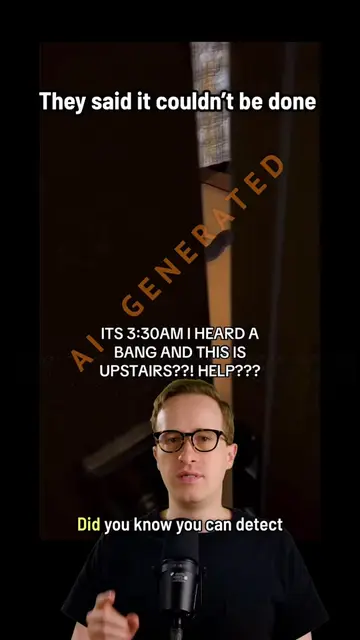
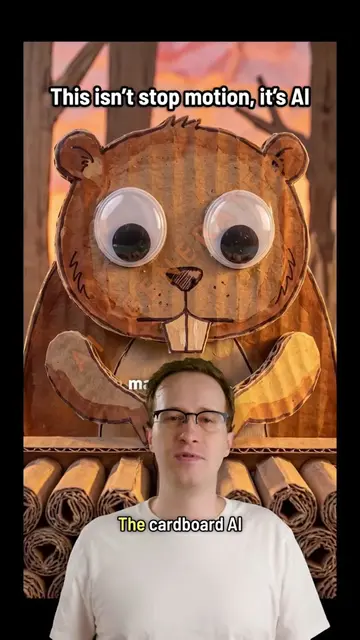
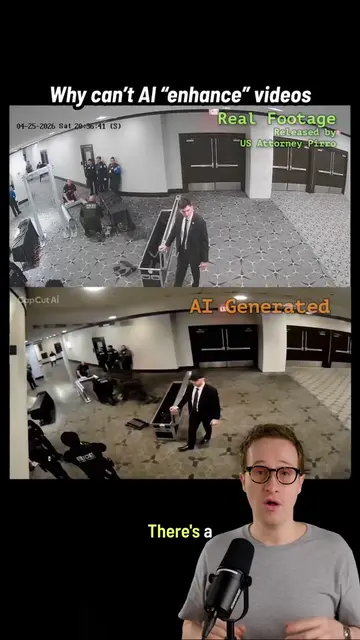
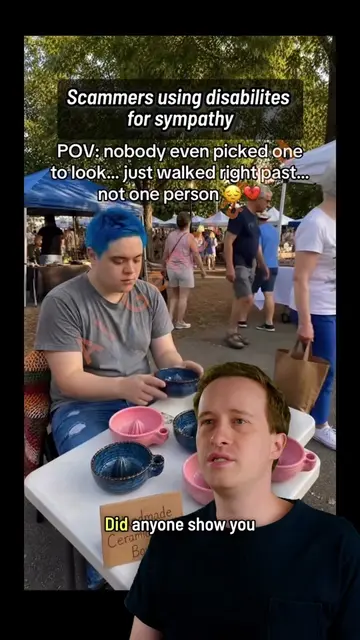
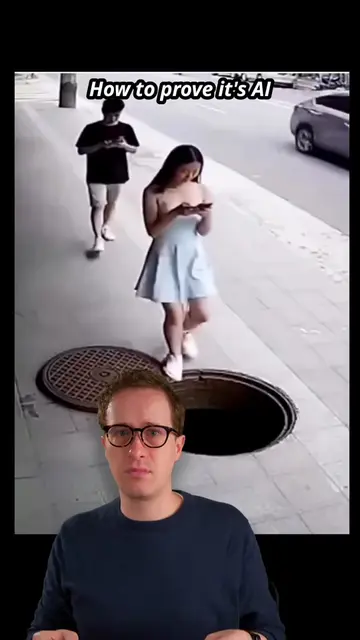
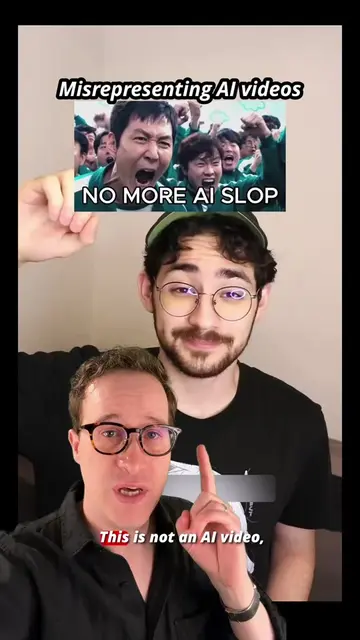
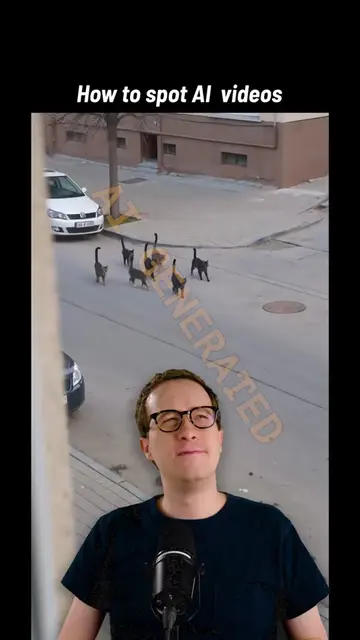
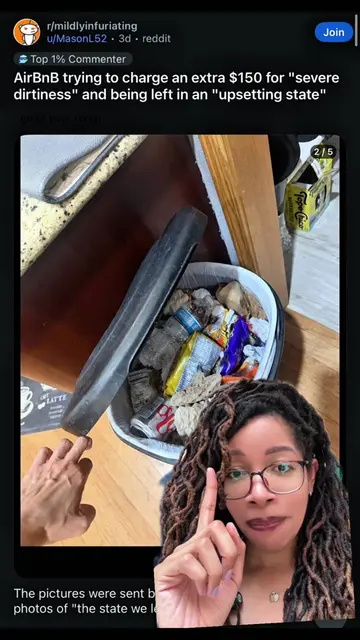
The video explains how to identify AI-generated photos by pointing out inconsistencies in focus and motion blur. The creator highlights that AI generators often make mistakes that wouldn't occur in real photography, such as uneven blur or distorted anatomy, which are becoming crucial clues for distinguishing real images from AI-generated ones.
AI is getting too realistic #aiphoto #ai #medialiteracy #camera #gptimage How can you spot AI photos now that the new GPT Image 2 AI image model is really strong? I’m looking at background details, spatial reasoning, camera and physics mistakes, and small details in anatomy, and text rendering. This is how an understanding of camera physics can help.
Can you spot the mistake
Introduce the challenge of spotting AI photos
Point out the inconsistencies in the example photo (focus, motion blur)
Explain why these inconsistencies indicate AI generation
Show a clearer example with a different AI flaw (wonky finger)
Conclude that these details are now necessary to discern real from fake
The video discusses AI-generated photos and subtly promotes 'Riddance' (riddance.ai) as a tool to help identify them, as indicated by the creator's bio link.
Playing this video’s own audio, so you’ll hear the creator over the sound.
Promotes 1 product. Create free account to see more.
Outliers and viral hits: their videos on Overshot, all time.
AI content investigation tool for teams tracking generated and coordinated inauthentic media
All time.