Loading video…
All breakouts
10.3AnimationStory Open hookEducation
Hook
When Engineers Realized
@lumiobro
96.3K followers · usually 76.5K views a post
Views
872.7K
Likes
14.9K
Comments
197
Shares
836
Why it worked
The video likely performed well due to its educational and visually engaging content, explaining a complex mechanical concept (hydraulic pumps) in an easily digestible animated format. The comparison between two different types of pumps and the direct question at the end encourage audience interaction and sharing.
Summary
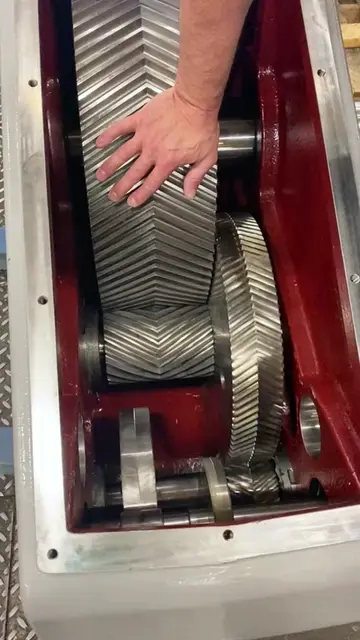
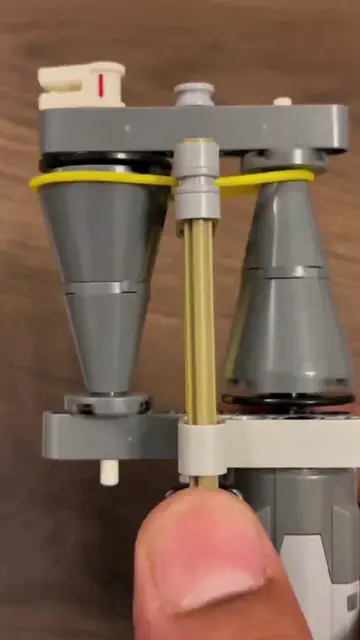
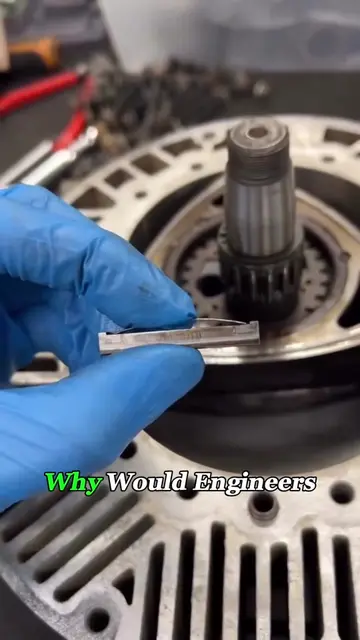
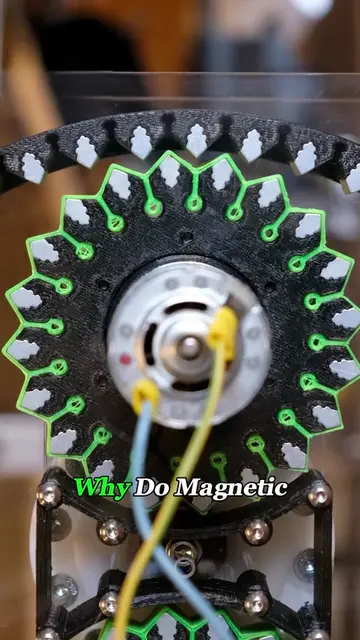
The video explains the difference between gear pumps and vein pumps, highlighting how vein pumps use movable blades to create a smoother and more continuous flow of fluid. It contrasts the limitations of fixed gear teeth with the advantages of the vein pump's design.
Structure
- 1Introduction to gear pumps and their limitations
- 2Explanation of how gear pumps work
- 3The weakness of gear pumps (pulsed flow, noise)
- 4Introduction of the vein pump concept
- 5Explanation of how vein pumps work
- 6Comparison of vein pumps to gear pumps
Product placement
The video shows and explains the mechanics of gear pumps and vein pumps, which are types of hydraulic pumps. It does not promote a specific named product.
Call to action
Which hydraulic system do you think is better?
On-screen text
When Engineers Realized
They Could Replace
Gear Teeth With
Movable Metal Blades
America'S Hydraulic
Systems
They Jumped 50
Years Forward
Because At That Time
Many Engineers Were
Still Limited By
Gear Pumps
Can Move Fluid
Of Course Two
Gears Mesh Together
On One Side
The Teeth Separate
The Space Gets
Larger And Oil
Is Pulled In
Side The Teeth
Mesh Again
Smaller And The
Oil Is Squeezed
It Sounds Very
Smart But That
Biggest Weakness
Because The Gear
Teeth Are Fixed
Carried Pocket By
Pocket
The Flow Feel
The Noise More
Obvious And The
Output Less Smooth
Then Engineers Asked
What If These
Teeth Could Move
Idea Opened Up
A Completely Different
They Cut Slots
Where The Teeth
Then Placed Movable
Metal Blades Inside
Those Slots
Vein Pump When
The Rotor Starts
These Metal Veins
Slide Outward
The Inside Wall
Of The Pump
Between Every Two
Veins A Small
Sealed Oil Chamber
Is Formed
The Space Slowly
Gets Larger And
In
Side
Gets Smaller And
Pushed Out
Pump Is Not
Throwing Oil Outward
Like A Fa
It Is More
Of Moving Ceiling
Walls
And Pushing It
Smoothly And Continuously
Moves Oil Pocket
By Pocket
Uses Changing
Chambers
To Make The
Flow Smoother
Which Hydraulic
System
Do You Think
Original caption
What If Gear Teeth Could Move?#foryou #gear #pump #mechanicsoftiktok #howthingswork
More from @lumiobro
More breakout videos from this creator.