Loading video…
All breakouts
19.6Talking HeadDirect Question hookEducation
Hook
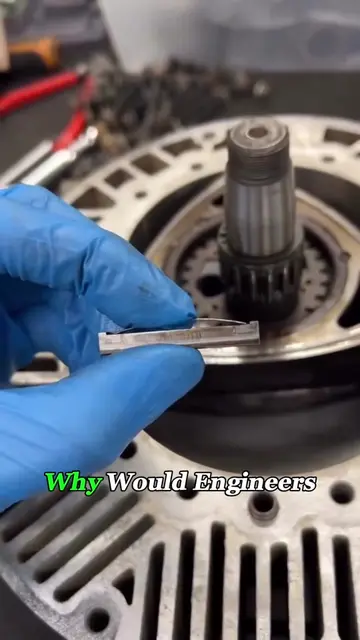
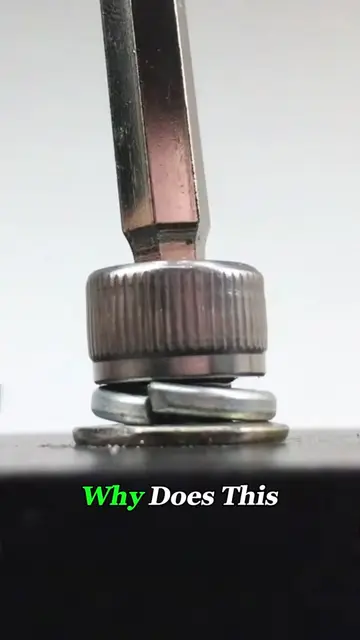
Why would engineers twist off the end of a bolt while tightening it?
@lumiobro
96.3K followers · usually 76.5K views a post
Views
1.6M
Likes
18.0K
Comments
166
Shares
548
Why it worked
The video uses a highly satisfying, counter-intuitive visual hook—a tool breaking a bolt on purpose—to explain a complex engineering concept in a way that is accessible and fascinating to a general audience.
Summary
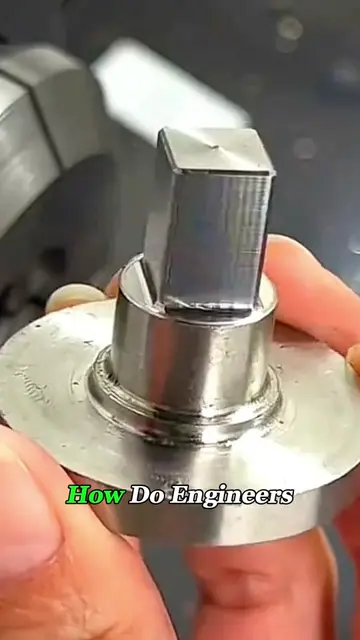
This video explains the engineering purpose behind tension control bolts, which are designed to snap off their spline end once the correct amount of clamping force is achieved. It details the history of why these bolts were developed for bridge construction and how they serve as a visual indicator of proper installation.
Structure
- 1Introduction to the bolt-snapping phenomenon
- 2Historical context of bridge construction fasteners
- 3Explanation of the concept of preload
- 4The risks of incorrect preload
- 5How the spline end functions as a mechanical signal
On-screen text
Why Would Engineers Twist Off The Bolt While Tightening It?
Transcript
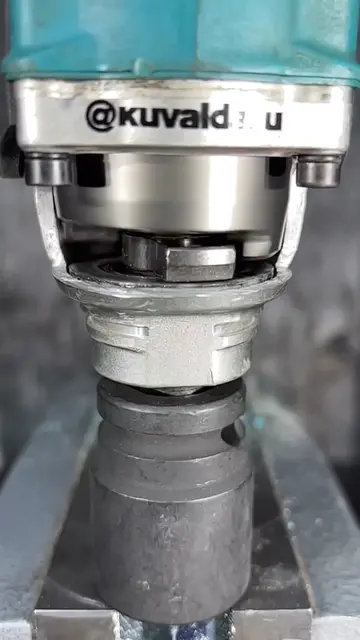
Why would engineers twist off the end of a bolt while tightening it? The nut is almost right next to the broken off part. So shouldn't engineers worry that the nut might come loose later? In fact, that was exactly what engineers were worried about back then. To fasten bridge connections faster, engineers started using high strength bolts instead of traditional hot riveting. And the result was exactly what they expected. The installation became much faster. But then a bigger problem appeared. How do you know whether the bolt is actually tight enough? Before this, bolts were mostly used on ordinary machines. As long as they pressed the parts together, that was usually enough. But on a bridge weighing hundreds of tons, the bolt is not just holding two steel plates in place. It has to stretch slightly first. Like a tightened spring, it clamps the steel plates together with huge force. From the moment the nut first touches the steel surface to the extra tightening that stretches the bolt and creates clamping force, this is called preload. If the preload is too small, the steel plates are not clamped tightly enough. If the preload is too large, the bolt can be overstretched or even damage the threads. So engineers designed this type of bolt with a small spline end. During installation, the outer socket of the special wrench grips the nut. When the preload reaches the designed range, the spline end snaps off at a pre-made weak point. So it does not break because it failed. It breaks to tell the worker that the bolt has completed the required tightening process, and the steel plates have already been clamped together by massive force. So that broken little tail is not useless scrap. It is a one-time mechanical signal.
Original caption
Why Engineers Break the End Off This Bolt?#bolt #mechanicsoftiktok #engineering #howthingswork #fyp
More from @lumiobro
More breakout videos from this creator.