Loading video…
All breakouts
32.4Text-HeavyProblem Callout hookFinance
Hook
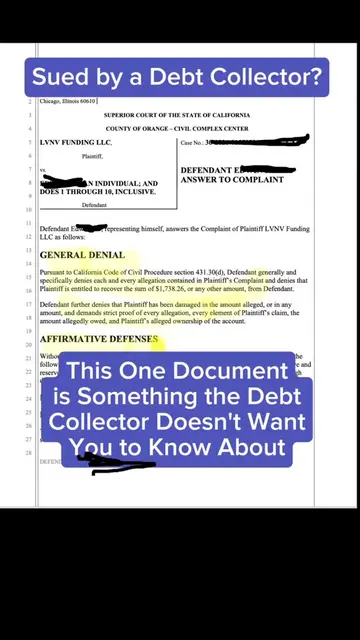
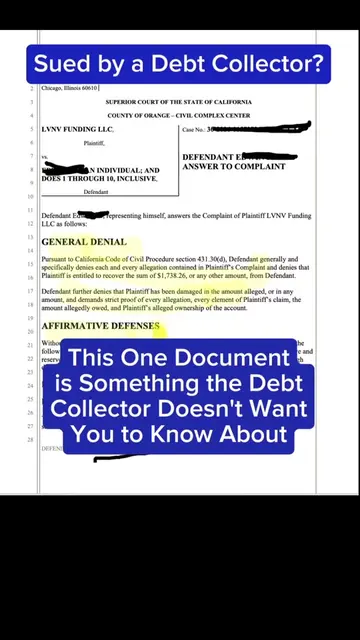
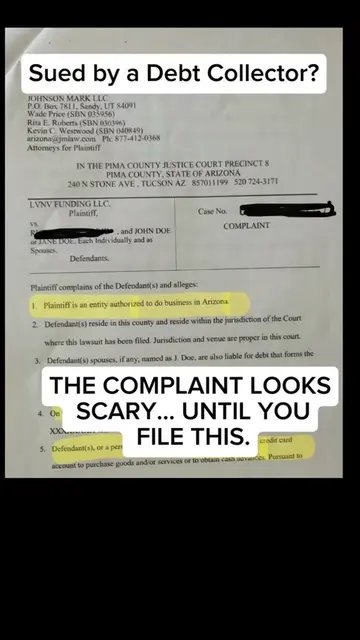
Suued by Debt Collector?
@legalcredit.help
11.0K followers · usually 2.3K views a post
Views
80.1K
Likes
2.4K
Comments
116
Shares
1.3K
Why it worked
The video provides valuable legal information in a clear and concise manner, addressing a common concern for individuals facing debt collection lawsuits. The use of on-screen text and a direct explanation of legal concepts makes complex information accessible.
Summary
This video explains how an arbitration clause in a credit card agreement can affect a debt collection lawsuit. It highlights that the Federal Arbitration Act generally requires courts to honor such clauses, potentially shifting the dispute out of court and changing the case's economics.
Structure
- 1Introduction: Suued by Debt Collector?
- 2Motion to Compel Arbitration
- 3Arbitration = Hassle + Expense for Debt Collector
- 4Credit Card Agreement Arbitration Clause
- 5Federal Arbitration Act
- 6Compel Arbitration and Stay Proceedings
On-screen text
Suued by Debt Collector?
MOTION TO COMPEL ARBITRATION AND STAY PROCEEDINGS
BEING SUED FOR
DOCUMENT CAN MAKE
THE DEBT COLLECTOR
DROP THE CASE
MOTION TO COMPEL
ARBITRATION
AND SOMETIMES
DEBT COLLECTOR DECIDES,
IS THIS CASE
STILL WORTH PURSUING?
ANSWER CAN BE
NO
WIN. AND IF
YOUR CREDIT CARD
AGREEMENT HAS AN
ARBITRATION CLAUSE,
IT CAN COMPLETELY
CHANGE THE GAME
DOCUMENT ACTUALLY SAYS.
THE DEBT COLLECTOR
FILED THE LAWSUIT
AGAINST YOU.
THE ORIGINAL CREDIT
CARD AGREEMENT REQUIRES
DISPUTES TO GO
THROUGH ARBITRATION.
YOU'RE EXERCISING YOUR
RIGHT TO ENFORCE
THAT CLAUSE.
FEDERAL ARBITRATION ACT
COURTS GENERALLY HAVE
ARBITRATION AGREEMENT.
WHOLE BEAUTY OF
YOU'RE ASKING THE
JUDGE TO PAUSE
WHILE ARBITRATION MOVES
END OF CASE.
Original caption
Debt collectors often count on people not responding to lawsuits. But some credit card agreements contain arbitration clauses that can shift the dispute out of court and change the economics of the case. Learn your options before you respond. Educational information only. #DebtLawsuit #MotionToCompelArbitration #DebtCollector #CreditTips #LegalTemplates
More from @legalcredit.help
More breakout videos from this creator.