Loading video…
All breakouts
5.4Talking HeadDirect Question hookAI Tools
Hook
We May Be Surrounded by Trillions of Conscious Beings, Research Suggests—And They Aren't Human
@bearbaitofficial
499.1K followers · usually 21.5K views a post
Views
68.5K
Likes
7.4K
Comments
264
Shares
330
Why it worked
The video taps into a sense of wonder and curiosity about the natural world, presenting complex scientific concepts in an accessible and engaging way. The use of intriguing questions and relatable analogies, combined with the creator's personal reflections, makes the content shareable and encourages further discussion.
Summary
The video discusses the possibility of consciousness in plants and fungi, citing research on plant responses to anesthesia and communication between fungi. It explores how these organisms exhibit complex behaviors like sensing, communicating, and even learning, but questions whether these abilities equate to consciousness as humans understand it. The speaker concludes that while these findings are fascinating, the definition of consciousness is complex and may not apply to non-human life in the same way, emphasizing the importance of ethical treatment regardless.
Structure
- 1Introduction to the idea of non-human consciousness
- 2Evidence of plant responses and fungal communication
- 3Challenges in defining consciousness and sentience
- 4Fungi's ability to communicate and learn
- 5Ethical considerations for non-human entities
Product placement
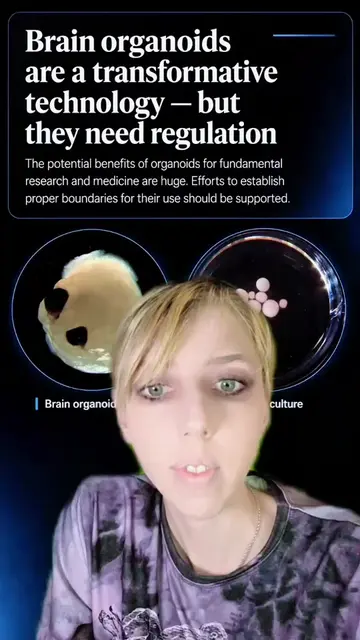
The video displays screenshots of articles from Popular Mechanics and The ISME Journal, discussing consciousness in plants and fungi. It also shows images related to fungal growth patterns.
Call to action
Follow for more.
Original caption
#consciousness #plants #fungi #sciencetok #LearnOnTikTok
More from @bearbaitofficial
More breakout videos from this creator.