Loading video…
All breakouts
8.5Talking HeadStory Open hookAI Tools
Hook
French researchers are
@bearbaitofficial
499.1K followers · usually 21.5K views a post
Views
132.5K
Likes
22.2K
Comments
1.2K
Shares
4.1K
Why it worked
The video taps into a deeply unsettling and fascinating scientific advancement, combining elements of neuroscience, robotics, and ethics. The "uncomfortable" nature of the topic, coupled with the clear explanation of a complex scientific process and its implications, likely drove engagement and curiosity.
Summary
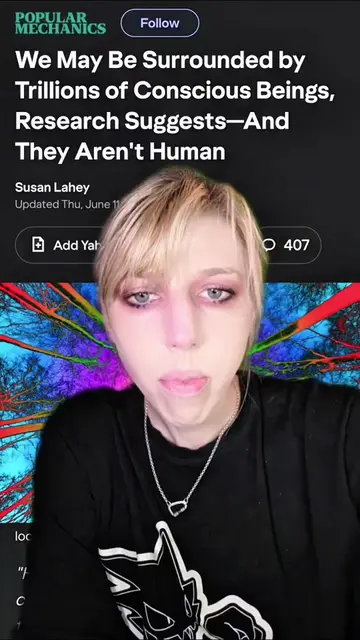
French researchers have revived post-mortem human brain tissue and used it to control a robot, enabling it to learn and play new songs on a piano. This groundbreaking study demonstrates that brain tissue remains active and capable of learning even after biological death, raising profound questions about consciousness and life.
Structure
- 1Introduction of revived brain tissue controlling a robot
- 2Explanation of the experimental setup and process
- 3Demonstration of sensory-motor learning and piano playing
- 4Implications of the research on post-mortem brain activity and learning
- 5Personal reflection on the unsettling nature of the findings
Product placement
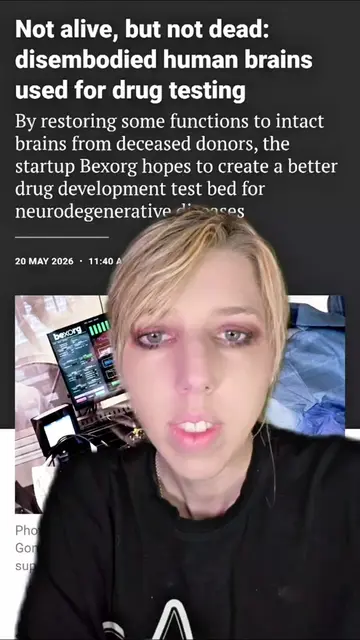
The video discusses research involving revived human brain tissue and its use in controlling a robot. The company 'Bexorg' is mentioned as a startup hoping to create a better drug development test bed for neurodegenerative diseases using this technology. The visual shows an incubator, a piano, a microphone, and a robot hand, along with a diagram illustrating the brain-robot interface and learning process.
Call to action
Follow for more.
Original caption
#Science #brain #explained #robots #robotics
More from @bearbaitofficial
More breakout videos from this creator.