Loading video…
Sound

original sound - botekilwxj0
Avocado Tiktok · Original audio
0:00–:––
Playing this video’s own audio, so you’ll hear the creator over the sound.
We didn’t find a product being promoted in this video. Its hook, format and structure below still show why it took off.
Browse products winning on TikTokThe video effectively uses a simplified animation style to explain a complex historical topic, making it engaging and easy to understand. The narrative structure, focusing on key figures and milestones, creates a compelling story about the evolution of surgical pain management.
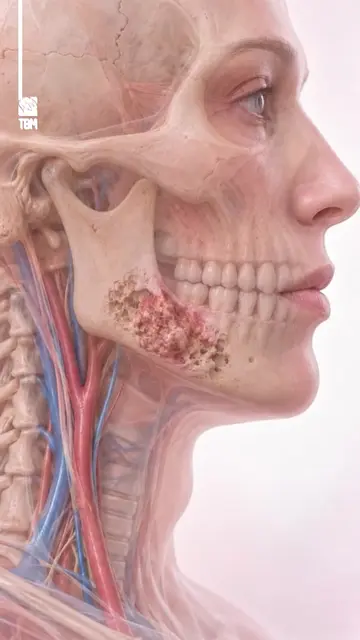
This video explains the history of anesthesia in surgery, starting from the painful procedures before its invention. It highlights key figures like John Collins Warren, William Morton, and Joseph Lister, and pivotal moments like the first silent surgery and Queen Victoria's use of chloroform, ultimately leading to modern pain-free operations.
#surgery #anesthesia #DidYouKnow #LearnOnTikTok #fyp
PRINTER
Introduction to pre-anesthesia surgery and patient Gilbert Abbott
William Morton's introduction of ether and the first silent surgery
Robert Liston's rapid amputation and the patient's unawareness
Queen Victoria's use of chloroform and the shift in perception
Joseph Lister's fight against infection and the decline of fevers
Modern surgery and the contrast with past experiences
Playing this video’s own audio, so you’ll hear the creator over the sound.
Outliers and viral hits: their videos on Overshot, all time.