Loading video…
All breakouts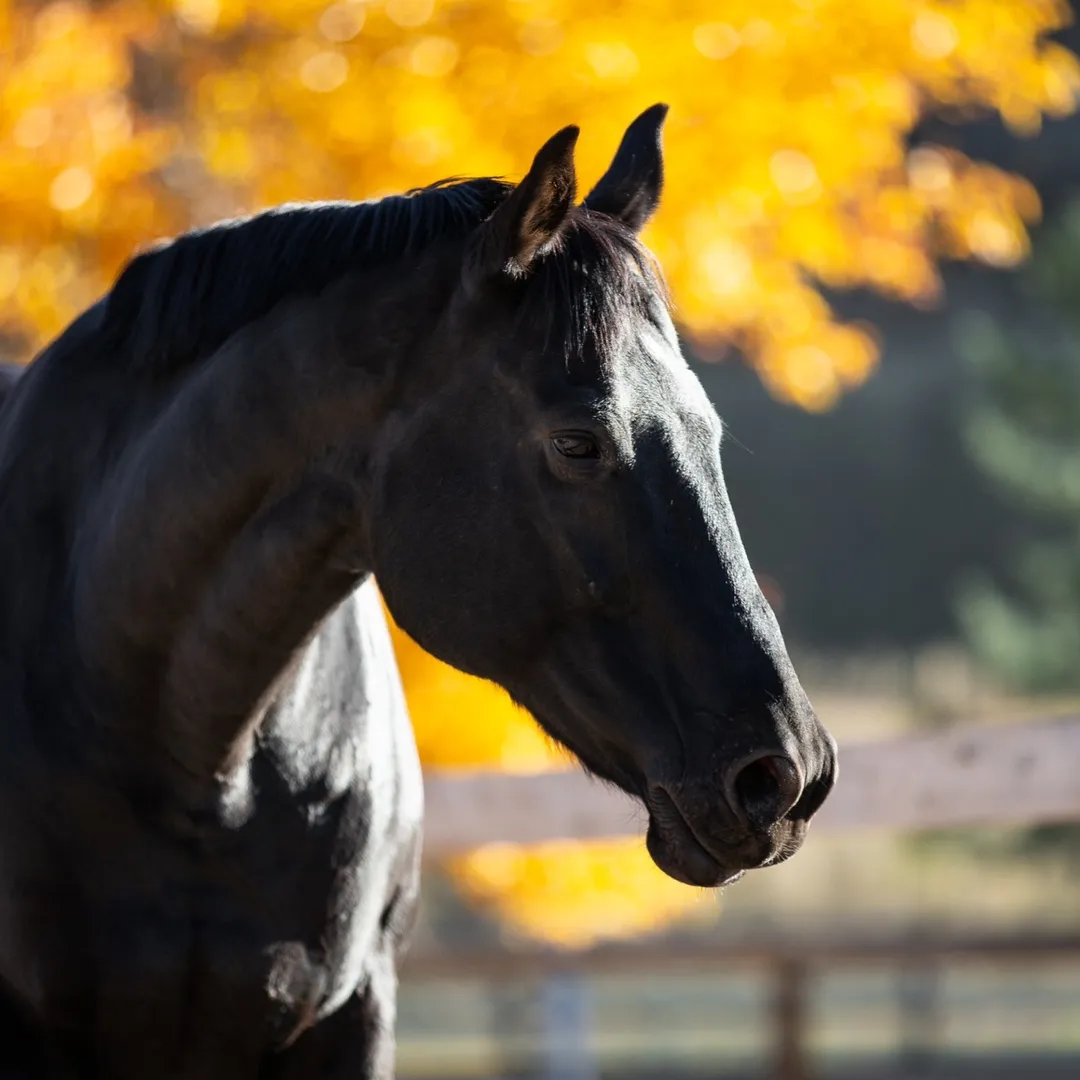
23.3Talking HeadOther hookLifestyle
Hook
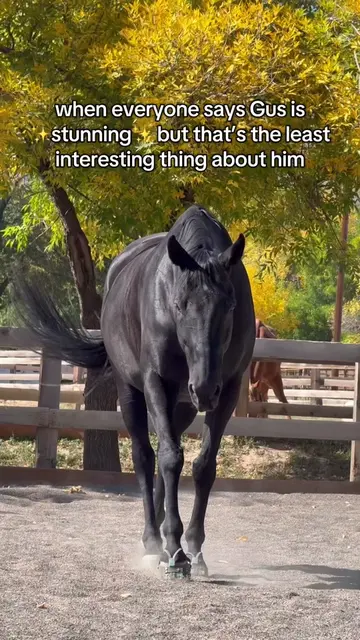
this is Gus.
@todaywithgus
178.4K followers · usually 9.5K views a post
Views
123.2K
Likes
10.3K
Comments
398
Shares
358
Why it worked
The video likely resonated with viewers due to its focus on ethical animal treatment and consent, a topic that is gaining traction in online communities. The creator's approach of prioritizing the horse's well-being and communication fosters a positive emotional connection with the audience.
Summary
The video explains the creator's approach to horse riding, emphasizing the importance of consent and communication with the horse. It shows examples of the horse, Gus, indicating both willingness ('yes') and unwillingness ('no') to be ridden, and highlights that the rider respects Gus's decision regardless of the answer, rewarding him for his communication.
Structure
- 1Introduction of Gus and the premise of the video.
- 2Demonstration of Gus saying 'no' to riding.
- 3Explanation of asking for consent and respecting the horse's decision.
- 4Demonstration of Gus saying 'yes' to riding.
- 5Emphasis on communication and respecting the horse's feelings.
- 6Conclusion on the importance of communication in horse-rider relationships.
On-screen text
this is Gus.
WHAT DOES IT LOOK LIKE WHEN MY HORSE SAYS "NO" TO RIDING?
this is a video showing numerous examples of how Gus says "yes" & "no"
I started asking for consent/permission to ride close to two years ago.
because it stopped feeling right to ride him when he showed he wasn't interested
asking him to carry me is only something I want him to do when he feels up for it
when he says "yes" he means "YES"
I've been searching for a trail to follow
"yes" means nothing if "no" isn't an option
so he can give me any answer & I reward him for it regardless
when he says "no" he means "NO"
both "yes" and "no" are full sentences.
I hope this shows how intelligent and capable horses are of understanding the questions we ask when we ask them
and how they are entirely aware of what the tack we get out means
and that from one day to the next their feelings can change based on any number of factors
and that "rewards" aren't reason enough for a horse to agree to do something that will cause them discomfort
not to ride
so yes, Gus is given the choice and I ask for his permission to ride
and yes, he is rewarded for every answer he offers
even when that answer is "no"
I only ride when Gus says "yes"
and we do something else instead when he says "no"
remember: all behavior is nothing more than communication
and communication should be respected and celebrated
bonus: Gus also gets to decide when the ride is over
Original caption
y’all think it’s amazing the way Gus says “yes” to being ridden but I figured I’d show a video where I include him saying “no” as well. I believe he says yes so enthusiastically because no is always an option. #horsetok #horsemanship #consentmatters #horselover #nomeansno
More from @todaywithgus
More breakout videos from this creator.