Loading video…
All breakouts
17.5Text-HeavyStory Open hookB2B
Hook
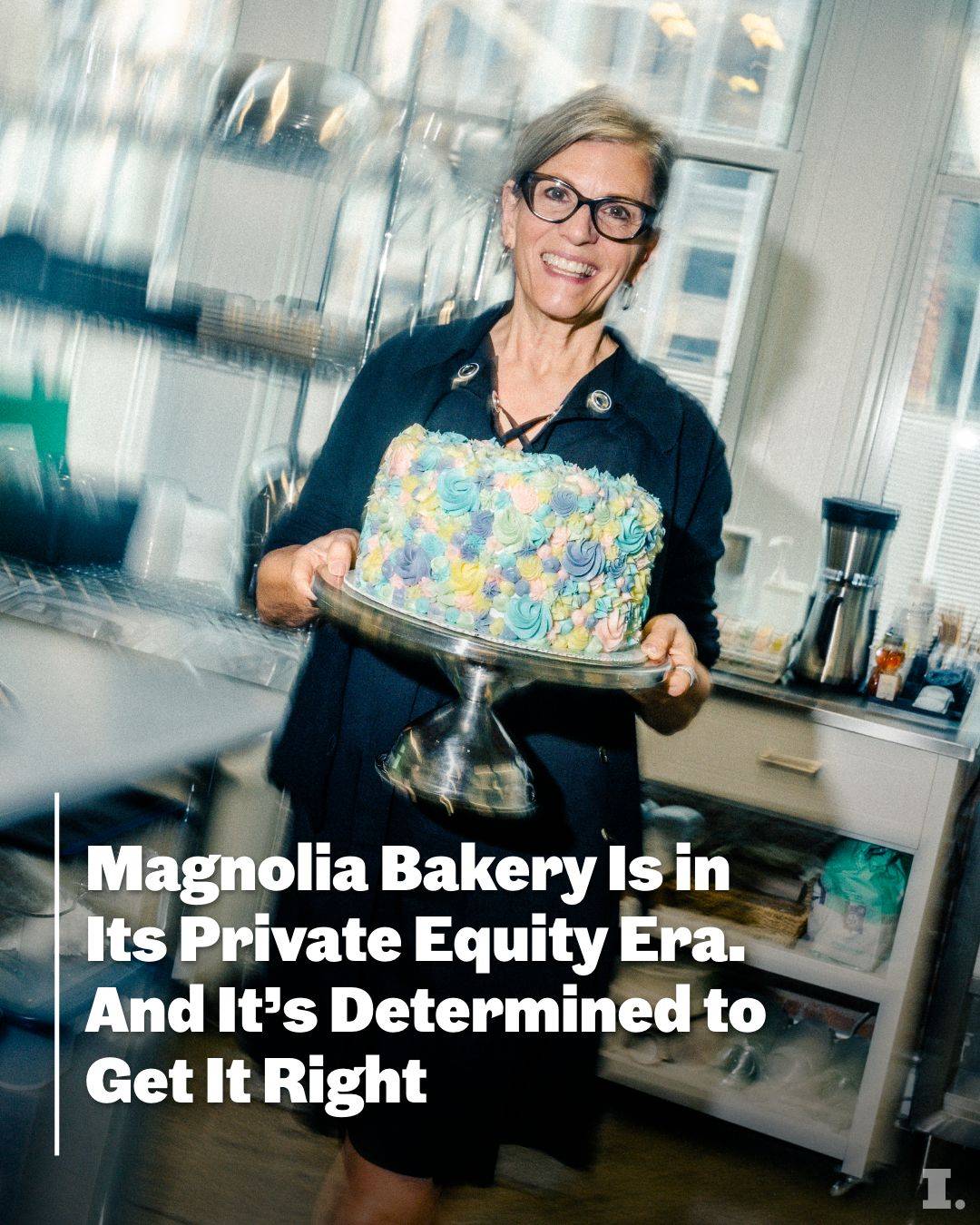
Magnolia Bakery Is in Its Private Equity Era. And It's Determined to Get It Right
@inc
63.1K followers · usually 1.1K views a post
Views
19.4K
Likes
203
Comments
44
Shares
37
Why it worked
The post taps into a common consumer concern about beloved brands being acquired by private equity, creating intrigue by framing it as a challenge Magnolia is determined to overcome. It balances business strategy with nostalgic brand elements, appealing to both business-minded readers and fans of the bakery.
Summary
This post discusses Magnolia Bakery's transition into its private equity era under RSE Ventures, focusing on their strategy for national expansion while maintaining brand consistency and soul. It highlights the challenges of franchising, the unique aspects of their baking techniques, and addresses concerns about private equity's impact on beloved brands.
Structure
- 1Introduction to Magnolia Bakery's PE era
- 2Challenges of consistency in franchising
- 3The art of Magnolia's baking and training
Original caption
The new exec team at the 30-year-old cult bakery knows that you think PE is bad for brands. (Sprinkles, anyone?) Now they reveal how they’re taking Magnolia Bakery national—while maintaining its soul. #magnoliabakery #nyc #nycfoodies #founder
More from @inc
More breakout videos from this creator.