Loading video…
All breakouts

6.3Talking HeadWarning hookLifestyle
Hook
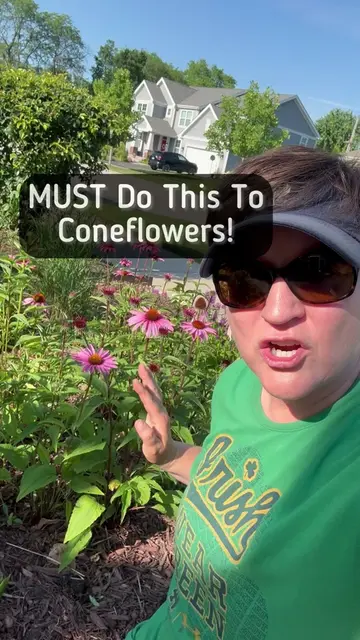
Do NOT Deadhead Your Coneflowers
@powers_plants
76.6K followers · usually 12.1K views a post
Views
74.8K
Likes
3.4K
Comments
142
Shares
187
Promoted product
powersplants.compowersplants.com
Powers Plants – Changing the world, one gardener at a time.
Why it worked
The video provides valuable, counter-intuitive gardening advice that directly benefits wildlife, appealing to a niche audience interested in sustainable gardening and attracting birds. The visual demonstration of abundant blooms and the mention of future content about seed collection create engagement and encourage viewers to follow.
Summary
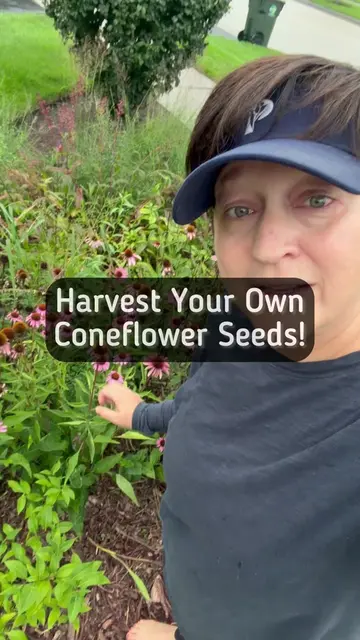
The video explains why deadheading coneflowers is not recommended. Leaving the flowers allows them to produce seeds, which feed birds and help the plant propagate, while also supporting insect life at different stages. The creator shows their own coneflower patch blooming continuously without deadheading, highlighting the ecological benefits.
Structure
- 1Introduction: Don't deadhead coneflowers
- 2Explanation: Different stages support ecosystem
- 3Flower stage: Pollen and nectar for insects
Original caption
Do not deadhead your Coneflowers because we want those plants to create seeds for us to replenish the patch we have and to feed the birds! I’m a Garden Coach in the Chicagoland area and I love this community — if you know the answer to someone’s question in the comments, please jump in and help! I can’t always respond personally, but together we can figure anything out. 🌱 Visit powersplants.com to learn more about booking a coaching session with me, and for just $5/month you can subscribe for exclusive behind-the-scenes content, videos, and live Q&As where you can ask me anything directly! #nativeplants #flowers #gardening
More from @powers_plants
More breakout videos from this creator.