Loading video…
All breakouts
27.9Text-HeavyStory Open hookOther
Hook
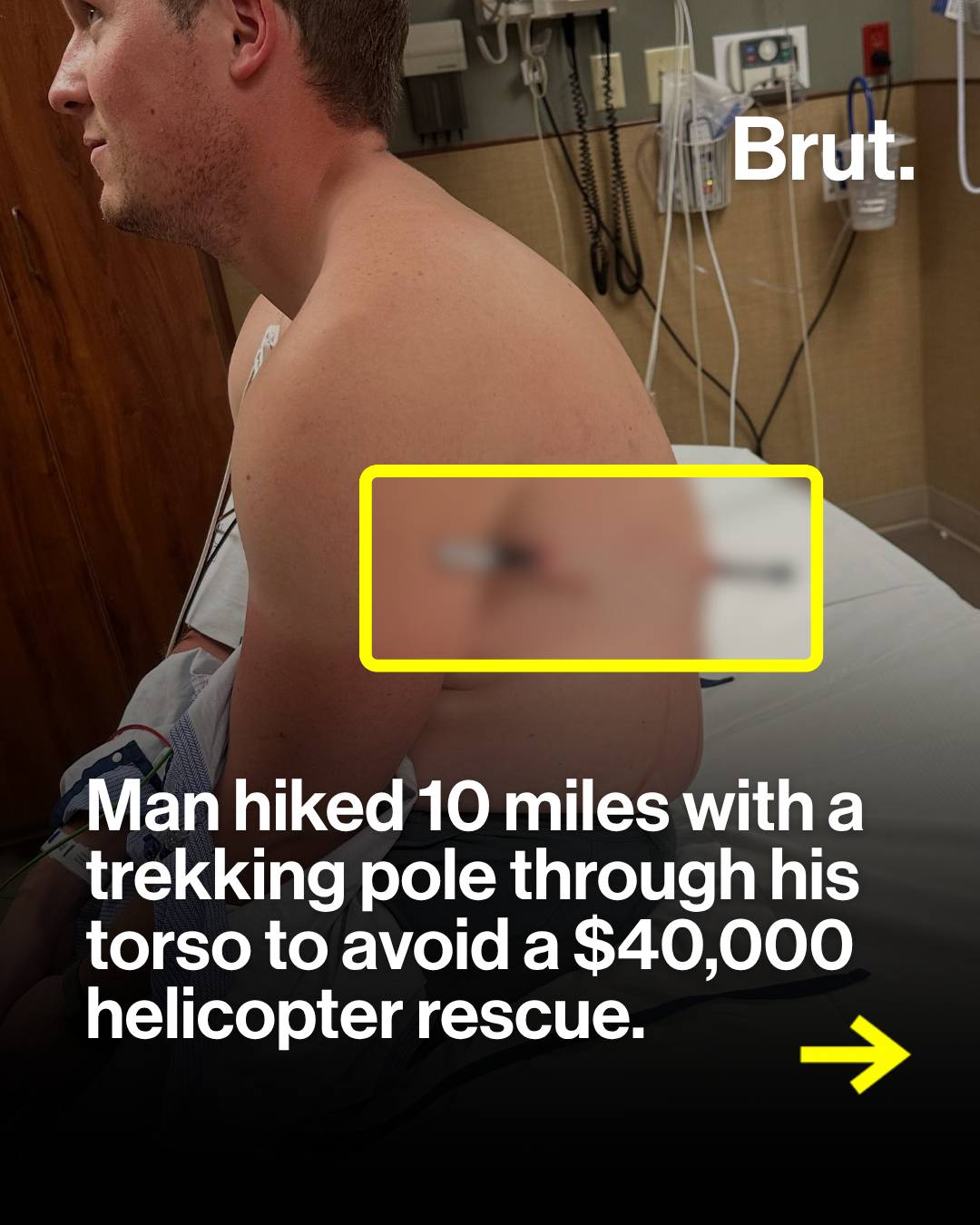
Man hiked 10 miles with a trekking pole through his torso to avoid a $40,000 helicopter rescue.
@brutamerica
6.1M followers · usually 104.9K views a post
Views
2.0M
Likes
97.2K
Comments
1.7K
Shares
6.8K
Why it worked
The story is a dramatic and unbelievable tale of survival against the odds, highlighting human resilience and the high cost of emergency services, which resonates with a broad audience.
Summary
A man named David Cifaldi survived a severe hiking accident where he impaled himself with a trekking pole. He chose to hike out of the wilderness for over six hours, covering 10 miles, to avoid the high cost of a helicopter rescue, eventually receiving medical treatment.
Structure
- 1Man impales himself on trekking pole while hiking
- 2Assesses injury and decides to hike out to save money
- 3Hikes 10 miles over difficult terrain
- 4Contacts authorities via Garmin inReach
- 5
Original caption
A Montana hiker walked 10 miles to safety with a trekking pole lodged through his torso after falling on the state’s highest mountain. #Montana #Hiking #Healthcare #Wilderness Photo credits: @dcifaldi27 via Instagram
More from @brutamerica
More breakout videos from this creator.