Loading video…
All breakouts
8.0OtherOther hook
Hook
شـوف
@reuters
4.6M followers · usually 15.0K views a post
Views
120.0K
Likes
3.6K
Comments
144
Shares
180
Why it worked
The video effectively uses a narrative of misinformation and its real-world consequences, tapping into a timely and significant global issue. The use of multiple visual elements, including news footage and personal accounts, combined with a clear explanation of the causal chain, makes the story compelling and informative.
Summary
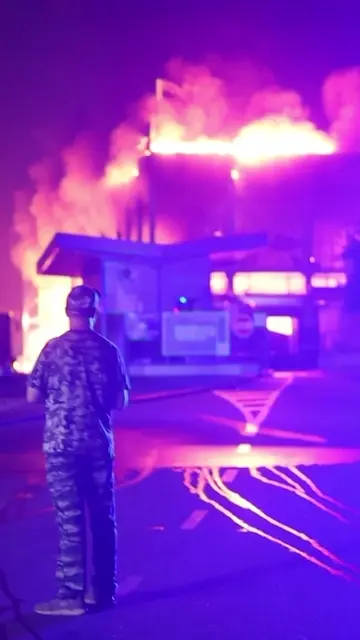
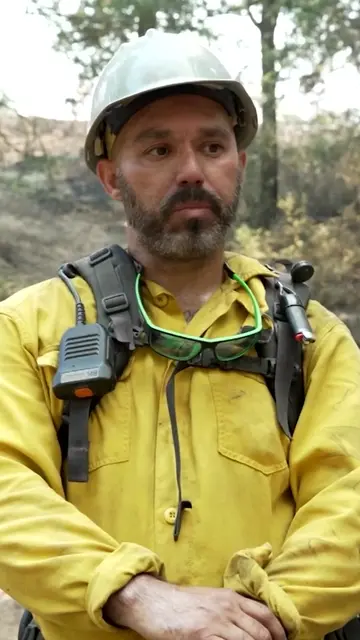
This video explains how misinformation spread through social media videos and chat groups led to a surge of migrants attempting to cross into Ceuta. It details how a local TV station's reports, initially intended to highlight migration pressures, were misinterpreted and encouraged thousands to make the dangerous journey.
Free accountLocked — create a free account to open
Transcript, structure and on-screen text
6 beats, a 437-word transcript and 129 lines of on-screen text — the parts you need to write your own version.
The hook, the summary, why it worked and what it sells stay open on every video, signed in or not.
Original caption
The rush of migrants into the Spanish enclave of Ceuta last week began with a trickle. Encouraged by a handful of viral videos, including some posted by a Spanish news outlet intending to highlight the burden of migration pressures, the movement of a few dozen quickly turned into tens of thousands swimming en masse. North Africa Bureau Chief Alexander Dziadosz explains. We are deleting a previous video which contained an incorrect date. #ceuta #migrants #immigration #spain #emergency
More from @reuters
Their other posts in the index, biggest breakout first.