Loading video…
All breakouts Locked — upgrade to Pro to open.Open on TikTokPro
No preview available · watch on TikTok below
4.3Health
Post
Post by @fred_duncan
@fred_duncan
28.6K followers · usually 4.1K views a post
Views
16.2K
Likes
527
Comments
17
Shares
53
We’re still analyzing this post.
Original caption
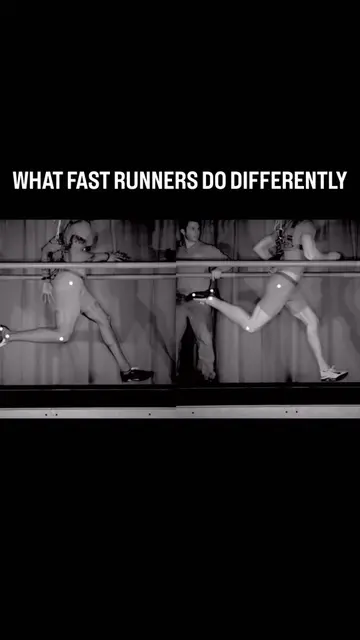
I love coming across these old Soviet clips. The reason they still look relevant today is simple…they built the framework for how we use plyometrics now. Depth jumps, bounding, barbell skips, hurdle hops, resisted running… It all sat inside an actual system. Verkhoshansky broke plyometrics into non impact, impact, and multiple impact methods. He separated elastic energy recoil work from stretch reflex potentiation, from CNS dominant variations. Most coaches today use categories like “extensive” and “intensive,” but the Soviets were tracking exactly which part of the stretch shortening cycle each drill targeted. Even the shock method is misunderstood. It was a very specific way of creating a sharp external force impact during the eccentric phase to increase muscle tendon strain and trigger a stronger reflexive response. That’s why they used depth to target jumps, they were manipulating the coupling time and vertical impulse, not just chasing height. The training wasn’t fancy. It was organized, intentional, and brutally effective. The tools have changed, but the principles haven’t. Good training is timeless. If you want a deeper breakdown of acceleration, max velocity, plyometrics, resisted sprints, programming structure, volumes, progressions, and how all of this fits together in real training, Speed Kills is easily the best project I’ve put out. It’s already outsold every program I’ve ever made in just a few months, and the feedback has been amazing. 80 pages + a full program at the end that puts everything into practice. Link in bio. #plyometrics #plyometricstraining #speedworkout #sprinttraining #speedtraining
More from @fred_duncan
More breakout videos from this creator.