Loading video…
All breakouts Locked — upgrade to Pro to open.Open on TikTokPro
No preview available · watch on TikTok below
5.7Health
Post
Post by @fred_duncan
@fred_duncan
28.6K followers · usually 4.1K views a post
Views
23.0K
Likes
653
Comments
18
Shares
25
We’re still analyzing this post.
Original caption
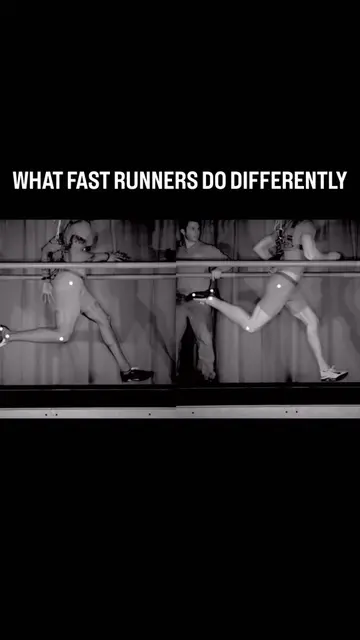
Two things can be true: you can work to improve an athlete’s sprint mechanics without trying to make every athlete move like a track sprinter. First, we have to separate the quality of speed from the way it’s expressed. Speed is built neurologically, muscularly, and mechanically, but those mechanics also have to make sense within the context of the sport. Field sport vs. track. Team sport vs. individual. Position vs. position. The constraints are different, so the movement will look different. That doesn’t mean mechanics don’t matter. We still coach them. We just pick our battles. The goal is to improve efficiency, force application, coordination, and ultimately output. Sometimes that means changing positions. Sometimes it means improving the physical qualities that allow the athlete to get into those positions in the first place. That’s a major theme throughout Speed Kills, my 8-week speed development program and accompanying 80+ page ebook. I break down acceleration, max velocity, resisted sprinting, plyometrics, strength training, mechanics, and how to actually organize all of it into a complete training system. And if you’ve already run Speed Kills, Maximum Output is the next step. It’s another completely new 8-week program that shows how my programming has evolved, including changes to sprint loading, resisted work, loaded jumps, Olympic lift variations, strength work, and the way the entire week is organized. Both are available now through the link in my bio. #ronaldo #sprinting #sprints #speedtraining #sprinttraining
More from @fred_duncan
More breakout videos from this creator.