Loading video…
All breakouts Locked — upgrade to Pro to open.Open on TikTokPro
No preview available · watch on TikTok below
7.7Health
Post
Post by @fred_duncan
@fred_duncan
28.6K followers · usually 4.1K views a post
Views
31.3K
Likes
1.2K
Comments
60
Shares
14
We’re still analyzing this post.
Original caption
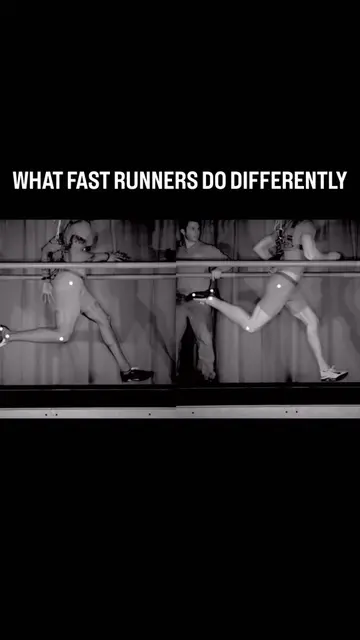
We talk a lot about asymmetry like it’s always a problem, but that’s not how the body works. Humans are inherently asymmetrical. Sprinting is asymmetrical. And the nervous system is constantly adjusting, organizing, and reorganizing movement from rep to rep. That variability isn’t a flaw, it’s part of why our movement system is so robust. Some asymmetry is functional. It comes from anatomy, limb lengths, joint structure, or how an athlete learned to move over thousands of reps. That’s motor learning. The nervous system finds a solution that matches the athlete in front of you, not some idealized “perfect” stride. Other times, asymmetry shows up because of fatigue, a strength deficit, or poor coordination on one side. That’s when it can limit performance or increase risk. Coaching is knowing the difference, what needs to be addressed and what needs to be left alone. The best athletes aren’t symmetrical. They’re efficient, stable, and consistent, even with natural variability built in. If you want to better understand sprint mechanics, coordination, strength transfer, and how speed should be trained, Speed Kills gives you the complete system. It includes an 80+ page book and eight weeks of programming. If you want to put those concepts into practice with my newest and most advanced programming, Maximum Output combines sprinting, jumping, strength, power, and conditioning into one complete eight-week program. Both are available through the link in my bio. #speedtraining #sprinting #sprints #getfaster #sprinttraining
More from @fred_duncan
More breakout videos from this creator.