Loading video…
All breakouts
40.2Text-HeavyB2B
Post
Post by @sparksystemes
@sparksystemes
14.1K followers · usually 1.7K views a post
Views
64.7K
Likes
2.3K
Comments
46
Shares
58
Original caption
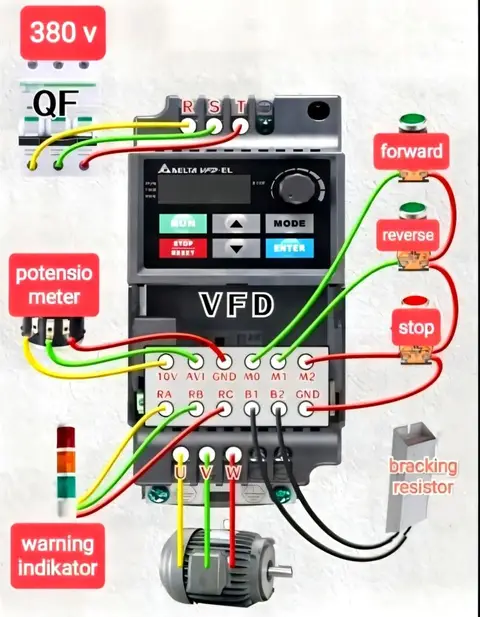
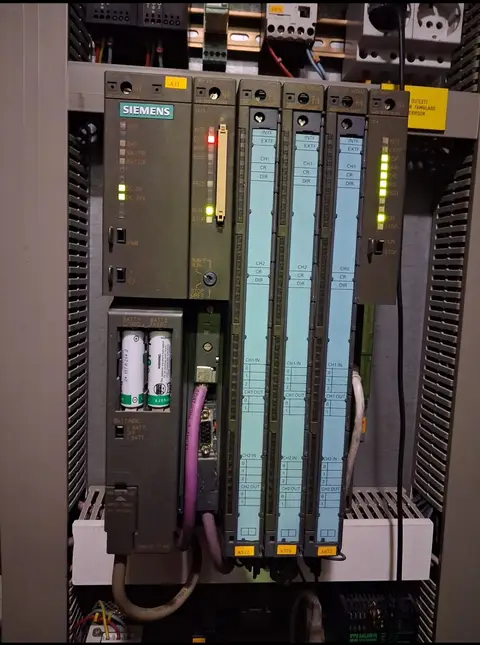
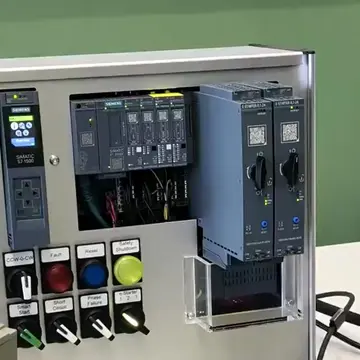
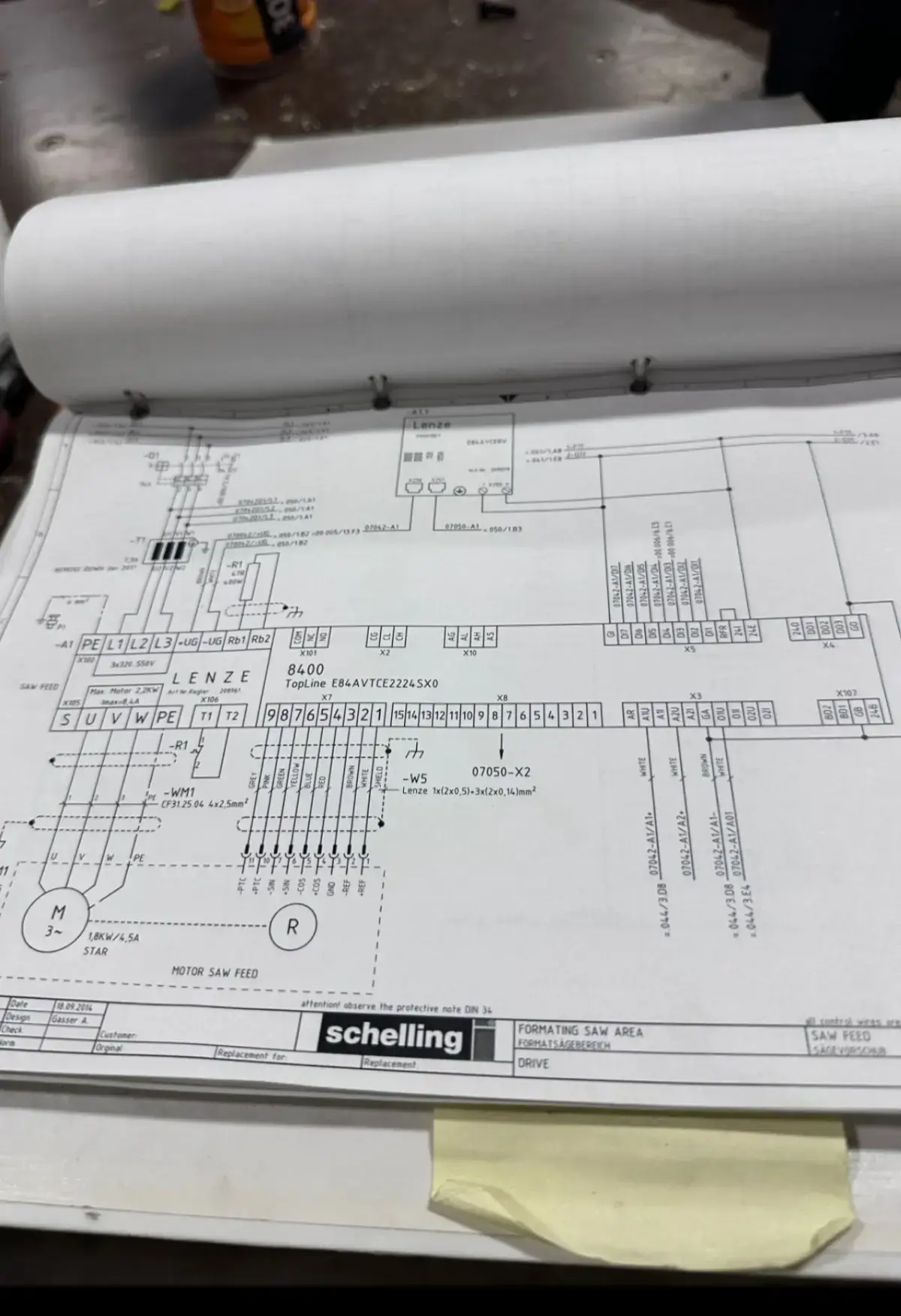
⚡ Industrial Troubleshooting: Back to Basics In industrial maintenance, when a machine has been down for several days and multiple people have already attempted to troubleshoot it, it’s easy to simply continue from where the previous troubleshooting stopped. But sometimes, the best approach is to go back to Step One. During troubleshooting of a control system involving a Lenze drive, PLC, and pneumatic valves, we were dealing with intermittent control issues. We started with the basics: 🔹 When did the problem start? 🔹 What happened before the failure? 🔹 What was changed or disconnected during previous troubleshooting? 🔹 Does the actual wiring match the electrical schematic? From there, we traced the circuit from the electrical schematic → control cabinet → field devices. And that's where things became interesting. We found incorrectly wired connections, along with swapped M8 connections associated with pneumatic valve coils. In other words, the PLC could be sending the correct command, while the signal was actually reaching the wrong device. This is why one of the most important rules in industrial troubleshooting is: > Don't assume. Verify. Don't assume the PLC is the problem just because the machine isn't responding. Don't assume the drive is faulty because there is a fault on the HMI. And don't assume previous troubleshooting was correct just because someone already worked on the machine. 📐 Electrical Schematics 🔌 Wiring ⚡ Measurements 🧠 PLC Logic 🔧 Field Devices Every part of the system matters. Sometimes, solving a complex industrial problem starts with the simplest question: “When did the problem start, and what has been done since then?” In industrial maintenance, going back to basics isn't a step backward — it's often the fastest way forward. #IndustrialAutomation #IndustrialMaintenance #Troubleshooting #PLC #Lenze
More from @sparksystemes
More breakout videos from this creator.