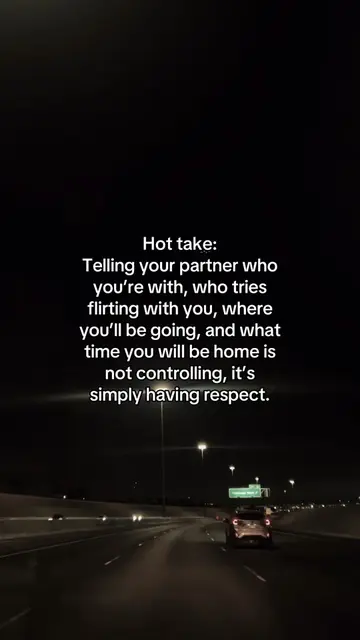
Loading video…
All breakouts
15.0Text-HeavyStory Open hookCreator Economy
Hook
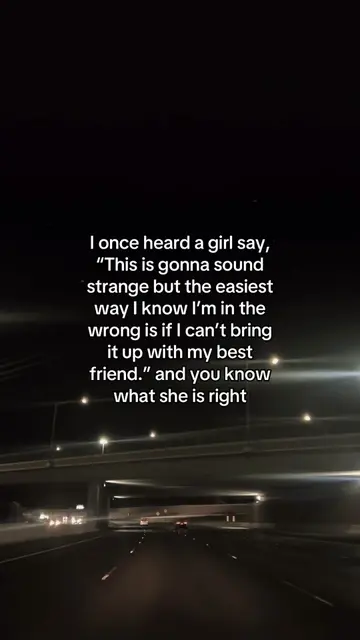
I overheard a girl say,
@nightflightseverywhere
26.9K followers · usually 28.0K views a post
Views
425.0K
Likes
24.2K
Comments
62
Shares
1.1K
Why it worked
The video likely resonated due to its relatable message about accountability and interpersonal relationships, presented in a visually atmospheric and concise format.
Summary
The video features text overlay on a nighttime highway scene. The text shares a quote about people who avoid apologizing and instead act as if nothing happened, suggesting they lack accountability and are better avoided.
Structure
- 1Night highway scene
- 2Text overlay appears
- 3Quote about apologies and accountability
- 4Concluding thought about being better off without such people
On-screen text
I overheard a girl say,
"You ever notice how
some people don't
apologize? They just act
normal again and expect
you to forget." That's a
person who can't take
accountability and you're
better off without them.
Original caption
There’s a huge difference between moving past a problem and pretending it never happened. Some people become uncomfortable the moment they’re asked to acknowledge that they’ve hurt someone, so instead of apologizing, they wait for enough time to pass and then start talking to you normally again as if the conflict somehow disappeared. Maybe they’ll send you a funny video, ask about your day, or suddenly become affectionate, hoping you’ll accept the invitation to move on without ever addressing what happened. But unresolved hurt doesn’t disappear just because the conversation becomes comfortable again. A genuine apology isn’t about humiliating yourself or admitting you’re a terrible person. It’s simply saying, “I understand that what I did affected you, I care about that, and I want to do better.” Healthy relationships need that kind of accountability because without it, the person who was hurt is constantly expected to swallow their feelings just to restore the peace. Forgiveness can be beautiful, but it shouldn’t require pretending something didn’t hurt. Sometimes the strongest relationships aren’t the ones that never cause pain—they’re the ones where both people are mature enough to acknowledge it, apologize sincerely, change their behavior, and repair what happened instead of expecting time to erase what accountability should have addressed.
More from @nightflightseverywhere
More breakout videos from this creator.