Loading video…
All breakouts
72.4Talking HeadStory Open hookCreator Economy
Hook
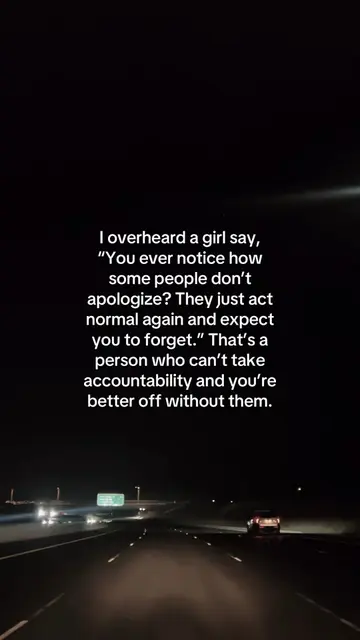
I once heard a girl say,
@nightflightseverywhere
26.9K followers · usually 28.0K views a post
Views
2.1M
Likes
157.0K
Comments
131
Shares
16.6K
Why it worked
The video taps into a relatable emotional experience about friendship and self-awareness, using a concise and thought-provoking quote to resonate with viewers.
Summary
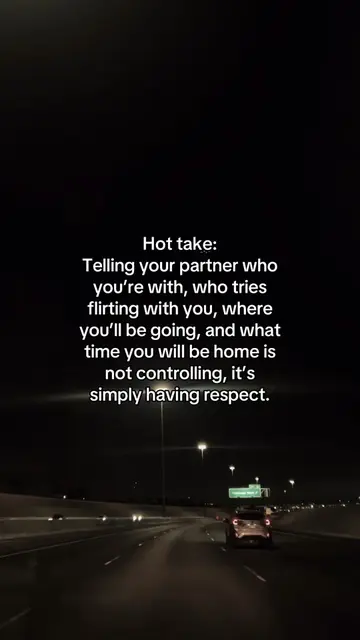
The video features text overlay on a nighttime driving scene. The text shares a quote about how the easiest way to know if you're in the wrong is if you can't bring it up with your best friend, suggesting that this discomfort is your own conscience speaking.
Structure
- 1Introduction of a quote about knowing you're in the wrong
- 2The quote is presented as a way to identify internal conflict
- 3The discomfort of avoiding conversation is highlighted as a sign
- 4The internal voice is suggested as the source of this discomfort
On-screen text
I once heard a girl say,
"This is gonna sound
strange but the easiest
way I know I'm in the
wrong is if I can't bring
it up with my best
friend." and you know
what she is right
Original caption
Sometimes your conscience shows up as the conversation you’re intentionally avoiding. When something happens and your first thought is, “I definitely can’t tell my best friend about this,” it can be worth asking yourself why. Maybe you already know what they’d say. Maybe you’d have to leave out certain details to make yourself sound better, change the order of events, or explain your intentions before admitting what you actually did. And sometimes that discomfort is your own internal voice telling you that you crossed a line before anyone else has even had the chance to say it. Of course, keeping something private doesn’t automatically mean you’re wrong. Relationships deserve privacy, and not every disagreement needs to be shared with friends. But there’s a difference between protecting something personal and hiding something because you know an honest retelling would make your behavior difficult to defend. A useful test is whether you could tell the complete story—including the parts that make you look bad—to someone whose judgment you trust. Accountability often begins before the apology, in that uncomfortable moment when you stop constructing your defense and admit to yourself, “If I have to hide half the story to feel like I’m right, maybe I’m not.”
More from @nightflightseverywhere
More breakout videos from this creator.