Loading video…
Sound

original sound - whitepageofficial
White Page · Original audio
0:00–:––
Playing this video’s own audio, so you’ll hear the creator over the sound.
We didn’t find a product being promoted in this video. Its hook, format and structure below still show why it took off.
Browse products winning on TikTokThe video effectively explains the historical context and evolution of smart TV operating systems, starting with a pioneering product and tracing its lineage to modern devices. This narrative approach provides valuable insight into technological development.
The video explains the origins of smart TV operating systems, starting with WebTV in 1996, which allowed early internet access through televisions. It then discusses the evolution of smart TVs from manufacturers like Samsung, LG, and Sony in the late 2000s, highlighting their limitations compared to modern devices.
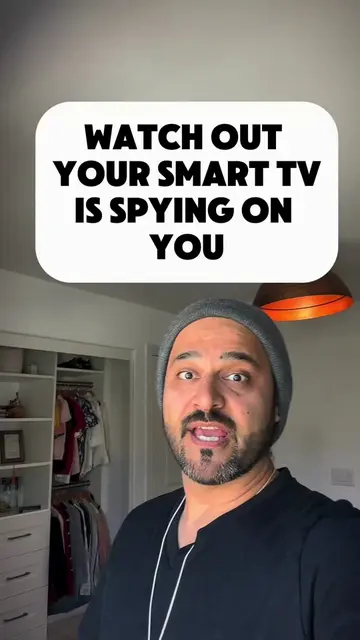
Every Smart TV Brand and Its Operating System Explained (Internet TV) #smarttv #os #internettv
Every Smart TV OS Explained
Introduction of WebTV in 1996
WebTV's functionality and cost
Microsoft's acquisition of WebTV
Emergence of smart TVs in the late 2000s
Limitations of early smart TVs
Tracing modern smart TV platforms back to WebTV
WebTV (Acts: Allows users to browse websites, send/receive email, and access online content directly through their television. Removing it would fundamentally change the video's topic and historical context.)
Playing this video’s own audio, so you’ll hear the creator over the sound.
Promotes 6 products. Create free account to see more.
Outliers and viral hits: their videos on Overshot, all time.