Loading video…
All breakouts
85.1Talking HeadContrarian hookCreator Economy
Hook
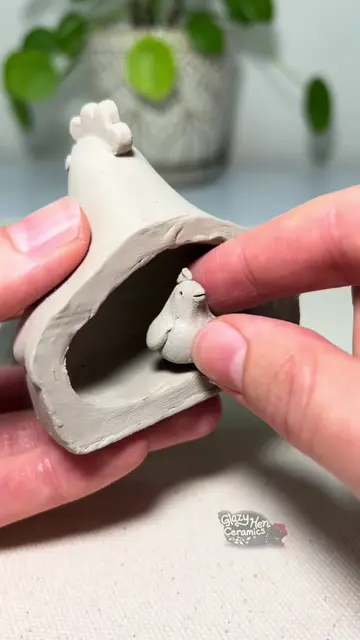
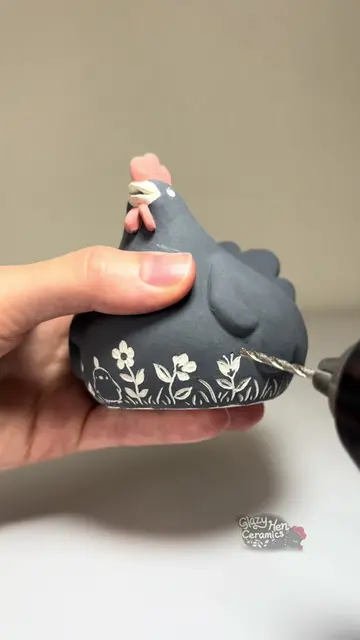
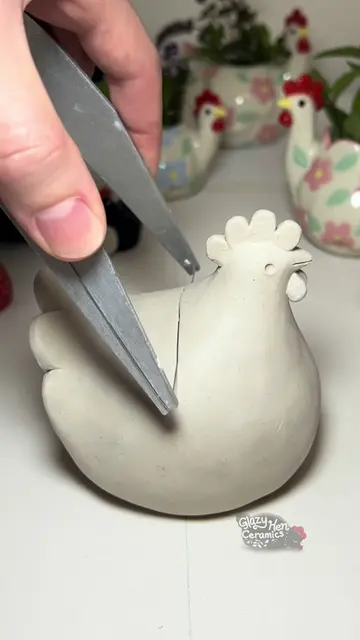
Ceramics actually won't explode if there's an air pocket.
@glazyhenceramics
18.1K followers · usually 14.6K views a post
Views
1.2M
Likes
24.0K
Comments
62
Shares
152
Promoted product
Glazy Hen Ceramics chicken maraca
Why it worked
The video uses a high-stakes, curiosity-driven hook (will the chicken explode?) to address a common audience concern, then provides genuine educational value while seamlessly transitioning into a product showcase.
Summary
The creator explains the technical reasons why trapped water, rather than trapped air, causes ceramic pieces to explode in a kiln. She uses her own handmade chicken maraca as a case study and promotes her summer collection for sale in her online store.
Structure
- 1Explaining the myth of air pockets in ceramics
- 2Demonstrating the firing process of a chicken maraca
- 3Explaining the science of water expansion in a kiln
- 4Providing tips for successful ceramic firing
- 5
Original caption
The chicken “maraca” and the free birdies at the end of the video are for sale in my shop! (Link in bio). Here I’m answering the most common comment from my chicken maracas. In this video I explain why trapped water causes explosions in the kiln. I did lots of research on this topic, scouring blogs from real potters and information I’ve learned from real ceramic artists, and this is the best explanation I can compile. I hope it was informative! Maybe I’ll get fewer comments asking if my next ceramic chicken maraca will explode? :) #ViralChickenMaraca #TrappedWaterCausesExplosions #CeramicArtTips #TrappedBirdies #CeramicArtist
More from @glazyhenceramics
More breakout videos from this creator.