Loading video…
Sound

original sound - sawmillworker
sawmillworker · Original audio
0:00–:––
Playing this video’s own audio, so you’ll hear the creator over the sound.
Hook
Posted Sep 4, 2026Video · 1:12by @sawmillworker
We didn’t find a product being promoted in this video. Its hook, format and structure below still show why it took off.
Browse products winning on TikTokThe video likely worked due to its satisfying ASMR-like depiction of a natural process (wood chipping) and the clear, sequential demonstration of industrial machinery in action. The rhythmic nature of the process and the visual transformation of the log into chips would have been engaging for viewers.
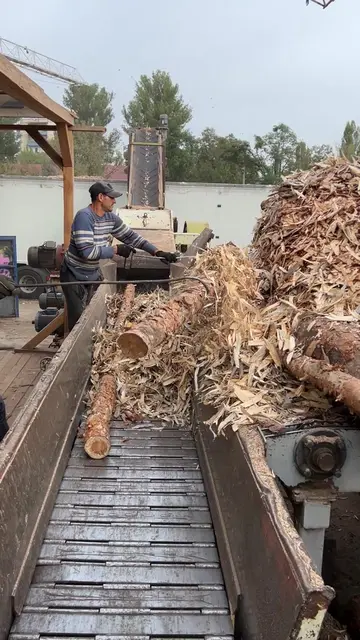
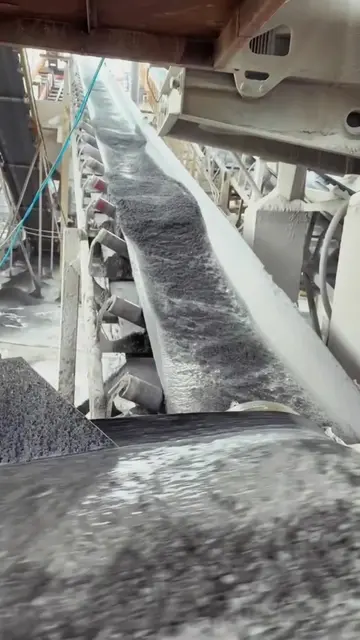
The video shows a person operating machinery at a sawmill. A large log is fed into a machine via a conveyor belt, where it is processed into wood chips. The process is shown in detail as the log is cut and broken down.
The transformation begins with a simple movement: a heavy log is placed onto the infeed and the hydraulic rollers take control. The timber is pulled forward with steady pressure, aligned with the cutting drum, and gradually disappears into the machine. Inside, powerful cutting action breaks the wood into smaller pieces that emerge as a continuous stream of chips. The rhythm is almost hypnotic because every part of the process happens in sequence, from the first contact with the rollers to the final discharge. Industrial wood processing becomes especially important when forestry operations are dealing with large volumes of material. Commercial logging and timber harvesting can leave behind branches, tops, trunk sections, and other wood fiber, while land clearing and storm cleanup can create massive amounts of material in a short period. A commercial wood chipper gives these operations a practical way to reduce bulky timber into a form that is easier to handle and transport. Those chips can support biomass energy, pulp and paper production, mulch, fuel, and other wood products. The machine's performance depends on maintaining a controlled relationship between feeding and cutting. Hydraulic feed rollers regulate how quickly the timber reaches the cutting drum, while the drum supplies the repeated mechanical force needed to break down dense material. As the diameter and shape of each log change, the system continues managing the incoming load. That coordination is what makes high-capacity wood processing possible without turning every individual piece of timber into a separate operation. The wider forestry industry relies on this same philosophy of efficient material handling. Logging equipment moves heavy timber through demanding worksites, forestry machinery supports harvesting and forest management, and sawmill operations process valuable sections into lumber and other materials. Wood recycling and biomass processing provide additional pathways for usable fiber. In the middle of all these activities, machines like this demonstrate how raw natural material can be transformed through controlled industrial power. Watching a large log enter as one solid piece and leave as a consistent stream of wood chips is a remarkably clear example of modern industrial efficiency.
The transformation begins with a simple movement: a heavy log is placed onto the infeed and the hydraulic rollers take control.
Log is placed on infeed conveyor
Hydraulic rollers engage
Log is pulled into the cutting machine
Wood is processed into chips
Chips emerge from the machine
Playing this video’s own audio, so you’ll hear the creator over the sound.
Outliers and viral hits: their videos on Overshot, all time.