Loading video…
All breakouts
226AnimationStory Open hookEducation
Hook
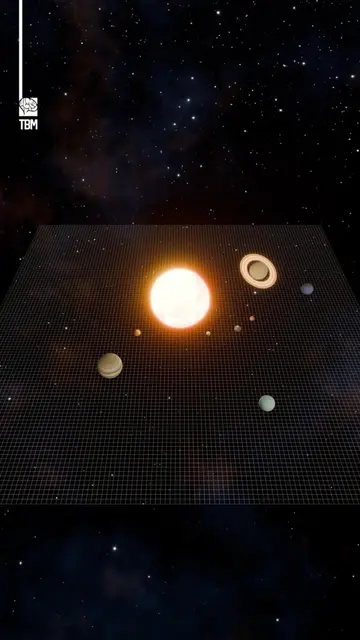
TBM This was Pangea, the giant supercontinent
@thebrainmaze
1.1M followers · usually 16.5K views a post
Views
1.4M
Likes
19.5K
Comments
719
Shares
1.1K
Why it worked
The video effectively uses engaging visuals and clear narration to explain a complex scientific concept, making it easily digestible and shareable for a broad audience.
Summary
This animated video explains the supercontinent Pangaea, which existed over 300 million years ago. It details the various creatures that inhabited Pangaea, such as Dimetrodon, Edaphosaurus, Eryops, Diplocaulus, Arthropleura, Meganeura, Xenacanthus, Orthacanthus, and Hylonomas, and shows how Pangaea eventually broke apart to form the modern continents.
Structure
- 1Introduction to Pangaea
- 2Description of Pangaea's environment
- 3Inhabitants of Pangaea (land, water, air)
- 4The breakup of Pangaea
- 5Formation of modern continents
Product placement
TBM (appears, logo, does not affect video content), The Brain Maze (appears, creator name, does not affect video content), @themazestudio (appears, creator handle, does not affect video content)
On-screen text
TBM
PANGAEAU
300 MYA
This was Pangea, the giant supercontinent
that existed more than 300 million years ago.
Most of Earth's land was connected into one
enormous landmass, surrounded by the vast
ocean
PANTHALASSA.
Pangea was home to the sail
backed Dimetrodon,
DIME
DIMETRODON
plant eating Edaphosaurus,
EDA
DIMETRODON
large amphibians like Eryops, and boomerang
headed
DIPLOCAULUS
ERYOPS
EDAPHOSAURUS
DIPLOCAULUS.
The giant millipede like
ARTHROPLEURA
crawled across the forest
floor
MEGANEU
while Meganeura, a huge
dragonfly like insect
flew above ancient swamps.
XENACANTHUS
Freshwater sharks like
Xenacanthus and
ORTHACANTHUS
Orthacanthus
hunted through rivers and
lakes.
EDAPHOSAURUS
DIPLOCAULUS
ERYOPS
HYLONOMUS
DIMETRODON
ARTHROPLEURA
MEGANEU
Early reptiles such as
Hylonomas also lived on
land.
Dinosaurs had not appeared
yet.
Over time, Pangea broke
apart, and its landmasses
slowly became the
continents we know today.
Original caption
The Ancient World of Pangaea - What was Pangaea really like, which strange creatures lived there, and how did one giant landmass eventually become the continents we know today?
More from @thebrainmaze
More breakout videos from this creator.