Loading video…
All breakouts
306AnimationContrarian hookEducation
Hook
Most people sit on the toilet at the wrong angle,
@thebrainmaze
1.3M followers · usually 13.7K views a post
Views
4.6M
Likes
68.8K
Comments
978
Shares
27.4K
Why it worked
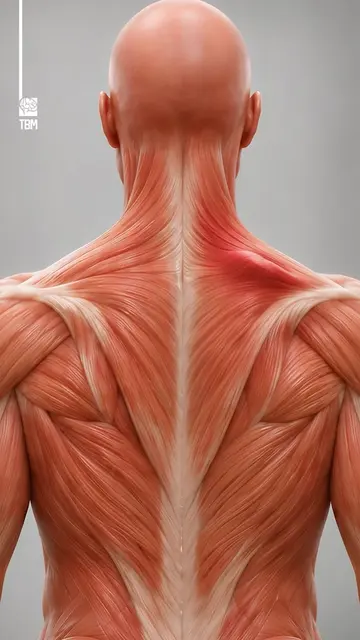
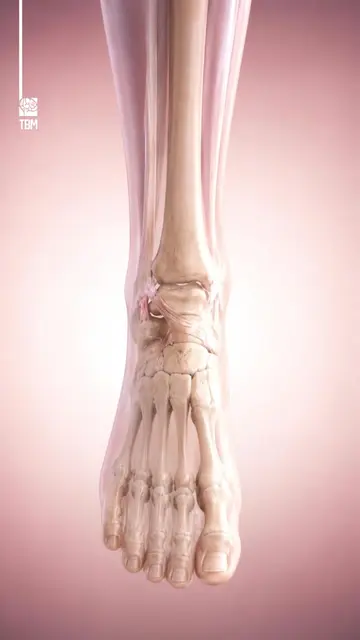
The video uses high-quality, clear 3D anatomical animations to visualize a common but rarely discussed biological process, making complex medical information immediately understandable and shareable.
Summary
This video uses anatomical animation to explain how the puborectalis muscle affects bowel movements based on toilet posture. It demonstrates that using a footstool to raise the knees above the hips helps the muscle relax and reduces strain.
Structure
- 1Identify the anatomical problem with standard toilet posture
- 2Explain the function of the puborectalis muscle
- 3Show how a 90-degree angle keeps the bowel passage bent
- 4Demonstrate the benefit of using a footstool to straighten the passage
- 5Cite study results on reduced strain and time
On-screen text
PUBORECTALIS
SHARP BEND
STAYS BENT
KNEES ABOVE HIPS
ANGLE OPENS
Transcript
Most people sit on the toilet at the wrong angle, and a single muscle is the reason it matters. It is called the puborectalis. It loops around the end of the bowel and pulls it forward, creating a sharp bend. That bend helps you hold everything in while you stand or walk. On a normal toilet, with your hips at a right angle, the muscle relaxes only partly, and the passage stays bent. You have to push harder. Place a small footstool under your feet, so your knees rise above your hips. The muscle loosens further, the angle opens, and the passage straightens. In one study, people who squated needed around 50 seconds instead of more than two minutes, and strained far less.
Original caption
Why Toilet Posture Matters - Your toilet posture matters. Raising your knees above your hips with a footstool may help the puborectalis muscle relax, opening the bowel angle and making bowel movements easier with less strain.
More from @thebrainmaze
More breakout videos from this creator.