Loading video…
All breakouts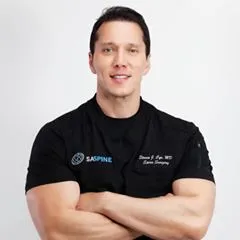
17.6Text-HeavyDirect Question hookHealth
Hook
MD vs DO: What's the difference?
@stevencyrmd
166.2K followers · usually 1.3K views a post
Views
36.8K
Likes
278
Comments
58
Shares
30
Why it worked
The video provides a clear, concise, and visually organized comparison of MD and DO degrees, addressing a common question for pre-med students and medical trainees. The use of text overlays makes the information easily digestible and shareable.
Summary
This video explains the differences between MD and DO medical degrees, highlighting that both are fully licensed physicians who can practice any specialty and match through the same residency programs. It notes that DOs receive additional training in osteopathic manipulative medicine and that while match rates are nearly identical, some competitive specialties may still favor MD applicants.
Structure
- 1Introduction: MD vs DO
- 2Similarities: Licensed physicians, practice any specialty, same residency match
- 3Differences: MD schools vs DO schools and OMM training
- 4Exams: DOs take COMLEX, many also take USMLE
- 5Nuance: Licensing vs matching, specialty preference
- 6Match Rate Comparison: 2026 PGY-1 rates for DO and MD
Call to action
Save this. Comment MD or DO.
On-screen text
MD vs DO: What's the difference?
Both are fully licensed physicians.
Both can practice any specialty.
Both match through the same NRMP residency Match.
MD: allopathic — ~160 U.S. schools
DO: osteopathic — ~47 U.S. colleges / ~75 campuses, plus required OMM training
DO students take COMLEX; many also take USMLE.
The remaining difference is matching, not licensing: Some competitive specialties still favor MD applicants.
2026 PGY-1 match rate (U.S. seniors):
DO 93.2% · MD 93.5%
CYRx MD
Original caption
MD and DO are both real doctors. Same license. Same specialties. Same Match. DOs get extra hands-on muscle-and-joint training. That’s the main school difference. Competitive specialties can still lean MD. Overall match rates are nearly identical. Save this. Comment MD or DO. #MDvsDO #Premed #MedStudent #ResidencyMatch #FutureDoctor
More from @stevencyrmd
More breakout videos from this creator.