Loading video…
All breakouts
89.4Talking HeadOther hookAI Tools
Hook
official_cybernews
@nextlevelaii
11.8K followers · usually 2.2K views a post
Views
192.8K
Likes
3.1K
Comments
105
Shares
946
Why it worked
The video highlights an unusual and innovative use of technology in a traditional profession, sparking curiosity about AI training and data collection methods.
Summary
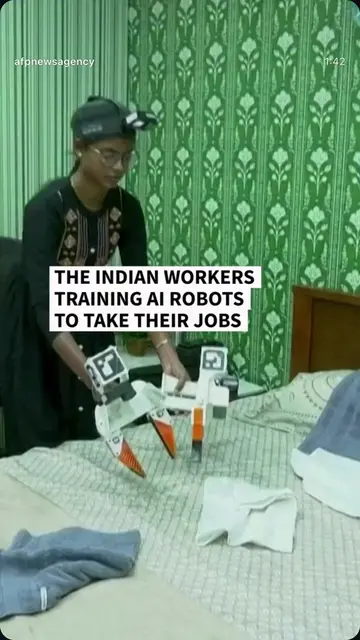
The video shows barbers in India wearing head-mounted cameras while they work. This footage is described as "egocentric data" and is collected by tech companies to train AI on how human hands perform tasks.
Structure
- 1Barbers in India wearing cameras
- 2Capturing egocentric data
- 3Data used to train AI
- 4Focus on hand movements
On-screen text
official_cybernews
Original caption
Across India, a quiet data revolution is unfolding: informal workers, including barbers, factory stitchers, and home cooks, are strapping head-mounted cameras and smartphones to their foreheads while they work. They are capturing what tech developers call "egocentric data," which consists of first-person video, audio, and motion tracking that records exactly how human hands perform complex, everyday physical tasks. Tech startups and data companies collect this continuous footage to feed specialized Al models, eventually selling it to global robotics firms. Because Al cannot learn how to safely grip a tool, fold a piece of cloth, or cut hair from text alone, this human-perspective data is strictly required to teach the next generation of humanoid robots how to physically navigate and interact with the real world. India has rapidly become a central hub for this massive data collection effort due to its vast informal workforce and highly established data-outsourcing infrastructure. While participants receive modest financial compensation for simply wearing the cameras during their normal shifts, the practice is sparking fierce ethical debate. Labor rights advocates are questioning whether workers are fully informed that they are generating highly lucrative training datasets for global tech giants. More critically, it highlights a stark modern dilemma: the very workers powering this new multi-million dollar data economy are actively training the automated systems being designed to eventually replace them. Would you wear a recording device at your job if you knew the footage was training an Al to do it? Let us know in the comments. Media: Rainmaker1973 on X #artificialintelligence #ai #india #robots #robot
More from @nextlevelaii
More breakout videos from this creator.