Loading video…
All breakouts Locked — upgrade to Pro to open.Open on TikTokPro
No preview available · watch on TikTok below
60.2Health
Post
Post by @stevencyrmd
@stevencyrmd
166.2K followers · usually 1.3K views a post
Views
76.5K
Likes
7.4K
Comments
350
Shares
1.2K
We’re still analyzing this post.
Original caption
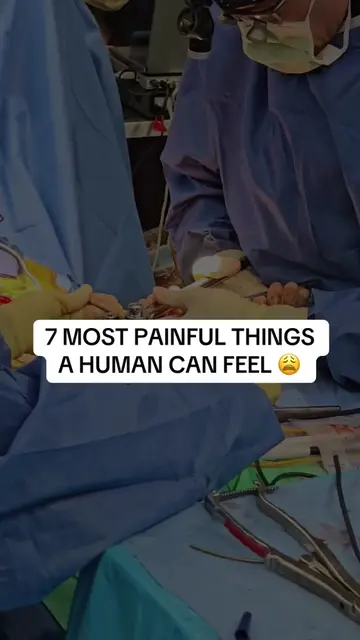
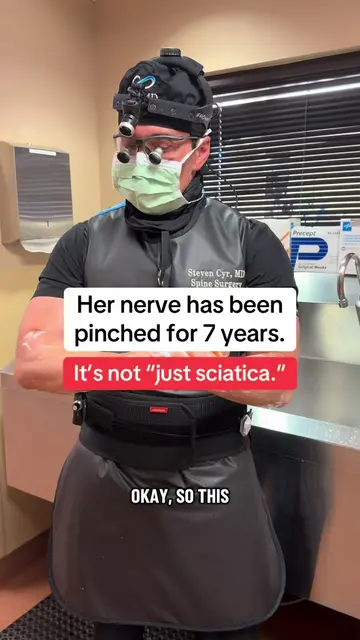
She’s only 39. For 20 years her neck has been getting worse — not because she didn’t try, and not because the pain was “just tightness.” She has Ehlers-Danlos syndrome. Her connective tissue doesn’t hold the way it should. That hypermobility looks flexible on the outside. Inside the cervical spine, it becomes instability. Imaging from C2 to T1 told the rest of the story. Flexion and extension X-rays showed the motion her ligaments can’t control. MRI showed spinal cord compression at the lowest three disc levels. So today we take those three discs out and fuse those levels from the front — not to make her “less flexible,” but to give her spine the stability and alignment her own tissue never could. Hypermobility is not always harmless. When the cord is involved, stability is protection. — Dr Steven Cyr | Orthopedic Spine Surgeon | 📍 Houston and San Antonio If you live with EDS, unexplained neck instability, or years of being told “you’re just flexible,” save this and send it to someone who needs to hear it. Comment EDS if this is your story. Questions about cervical instability belong with a spine specialist who will look at flexion-extension films and the cord — not just a still MRI. #EhlersDanlosSyndrome #EDS #hEDS #HypermobileEDS #ConnectiveTissueDisorder
More from @stevencyrmd
More breakout videos from this creator.