Loading video…
All breakouts
115Text-HeavyOther hookOther
Hook
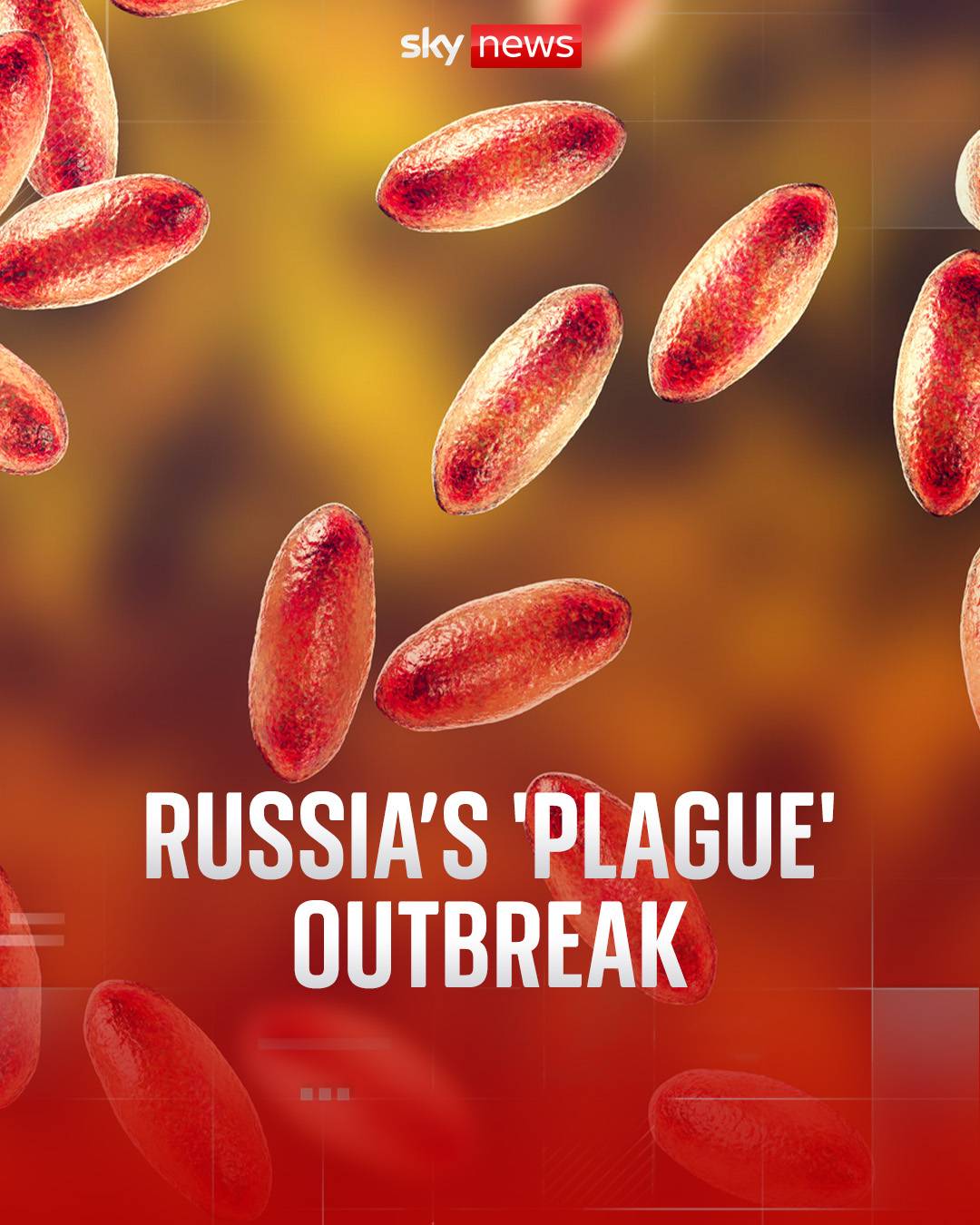
RUSSIA'S 'PLAGUE' OUTBREAK
@skynews
11.4M followers · usually 24.0K views a post
Views
2.2M
Likes
64.9K
Comments
1.5K
Shares
34.8K
Why it worked
The post uses a high-stakes, fear-based news hook about a potential plague outbreak to drive engagement, utilizing a clear, educational slideshow format that simplifies complex medical information for a general audience.
Summary
Sky News provides an informational slideshow regarding a reported laboratory accident in Siberia involving a technician who died of unknown pneumonia, suspected to be pneumonic plague. The slides explain the nature of the plague, differentiate between its bubonic and pneumonic forms, and provide expert commentary on the risk of further transmission.
Structure
- 1Headline of the outbreak
- 2Details of the incident
- 3Definition of the plague
- 4Comparison of plague types
- 5Symptoms and mortality
- 6Expert assessment of risk
On-screen text
sky news
RUSSIA'S 'PLAGUE' OUTBREAK
sky news
A 28-year-old laboratory technician who worked at a plague research institute in Siberia has died after accidentally breaking a test tube, according to reports.
She died of "pneumonia of unknown etiology" or origin, according to Russia's consumer welfare service.
Almost 200 people who had been in contact with her are now being observed
sky news
WHAT IS THE PLAGUE?
It is a potentially life-threatening disease caused by a bacteria called Yersinia pestis.
It caused the Black Death in the 14th century, killing between a third and half of Europe's population.
It comes in different forms including...
sky news
BUBONIC VS PNEUMONIC
Spread by bites of infected fleas
Causes painful swelling under skin
More common than pneumonic
Travels through the lymphatic system to the nearest lymph node, causing inflammation
Human-to-human transmission rare
More deadly version, which Russian woman is believed to have had
Occurs from direct inhalation or when bubonic advances and spreads to lungs
Highly contagious
Spreads between people via respiratory particles
Often fatal if untreated
sky news
PNEUMONIC PLAGUE SYMPTOMS
Chest pain and shortness of breath
Fever and headache
Cough and sometimes bloody mucous
sky news
HOW DEADLY IS IT?
The World Health Organisation says pneumonic plague can be fatal within 18 to 24 hours of disease onset if left untreated.
But common antibiotics for enterobacteria can effectively cure the disease if they are given early
sky news
This case here seems like a rare lab accident and is unlikely to go much further.
Although it is true that pneumonic plague is directly transmissible, the contacts of the primary case are known and can be treated if they show any sign of infection
Professor of Virology at the University of Reading
Ian Jones
Original caption
Quarantine measures have been put in place after a female researcher at an anti-plague institute died of "pneumonia of unknown" origin. Russian authorities have not confirmed her exact cause of death. #plague #russia #skynews
More from @skynews
More breakout videos from this creator.