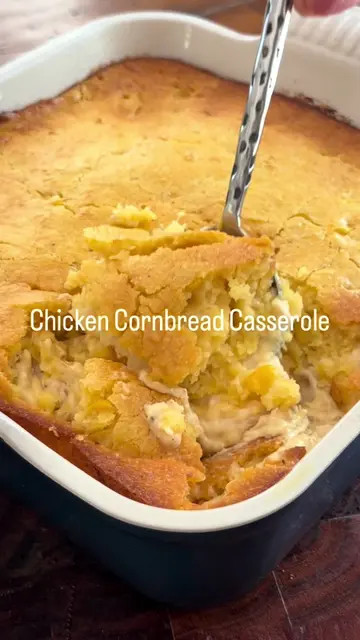
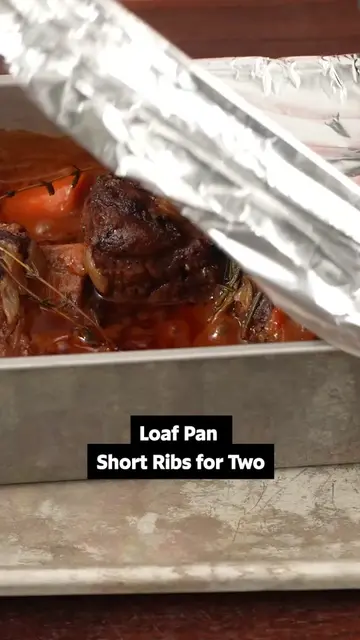
You take the pan down on a Tuesday, and then you put it right back. Because it feeds eight, and there is one of you. I am Denise, I cook for one too, and number seven today never sees the oven. Let us get into it. Number one. Chicken and rice. Make this one first. Of everything on this list it is the one people tell me they miss most, and it is the one that big pan took away from them. In the loaf pan. One cup of rice, uncooked. One cup of chicken broth and one cup of water, so two cups of liquid altogether. Half an onion chopped. A piece of chicken, and a thigh is better here than a breast because it does not dry out. Salt, pepper, a little garlic, and a pat of butter dropped on top. Everything goes in raw. Stir the rice and the liquid and the onion together right in the pan, lay the chicken on top, cover the whole thing tight with foil. Three hundred seventy five, about fifty minutes. Then take the foil off for the last ten so the top of that chicken colors up. You do not brown anything first. You do not dirty a skillet. It all happens in the pan. And that comes out at two good helpings. Hot tonight with a little something green beside it, and tomorrow it reheats better than it was the first day, which is true of almost everything on this list. And if you want to know whether it is done without cutting into it, push a fork down through the rice at the corner of the pan. If the fork goes down easy and no liquid comes up around it, that rice is cooked. If there is still broth pooling in the hole, cover it back up and give it ten more minutes. One thing that catches people the first time. A small pan cooks faster than the big one, usually ten or fifteen minutes faster, so start looking at it early. And if the top is browning before the middle is hot, lay a piece of foil over it and carry on. That is true of every single one on this list. To make it richer, swap half the water for a splash of cream or a spoon of sour cream stirred into the liquid before it goes in. It turns into a different dish and it costs you nothing but the stirring. Number two. Tuna noodle, sized right. Everybody makes a face at tuna noodle and everybody eats it. In the loaf pan. About a cup and a half of cooked egg noodles, so start with a little under a cup dry. One can of tuna, drained. Half a can of the cream soup, or if you do not use the canned soup, half a cup of milk with a spoon of flour whisked in and a little butter. Some frozen peas straight from the bag, no thawing. Salt and plenty of black pepper. Stir it all in the pan. Crushed crackers or breadcrumbs on top with butter dotted over. Three hundred fifty, twenty five minutes, until it is bubbling at the edges and the top has gone gold. And here is the thing about the half can of soup. Put the other half in a jar in the icebox and it will keep four or five days, and it goes into number ten at the end of this list. Nothing gets wasted on this list, that is the whole point of it. Two things that make this better than the one you remember. Cook the noodles about two minutes short of done, because they keep cooking in the oven and that is why tuna noodle ends up mushy. And put a squeeze of lemon and a spoon of mustard in with the sauce. You will not taste either one of them directly. You will just notice it does not taste flat, and flat is what everybody complains about with this dish. A handful of chopped celery or a little onion in there raw gives you something to bite on too. Number three. Cornbread on top. This one is a whole supper on its own, and I make it when it has been a long day. Brown about a third of a pound of ground beef or ground turkey in a skillet with half an onion. Drain it. Stir in a small amount of tomato, a spoon of chili powder, salt, and a handful of corn or beans, whatever you have. Pour that in the loaf pan. Then mix up a small batch of cornbread batter, about half a cup of cornmeal, a quarter cup of flour, a little baking powder, an egg, and enough buttermilk to make it pourable. Pour that over the meat. Four hundred degrees, about twenty five minutes, until the cornbread on top is set and golden. What you get is a meat pie with a cornbread lid, and it holds together on a plate. Two helpings, and the second one is better than the first. Do not make the cornbread layer thick. About half an inch. Thick cornbread on top of a wet filling stays raw underneath and you will not know until you cut it. To check it, push a knife into the middle of the cornbread. It comes out clean, it is ready. It comes out wet, give it eight more minutes and check again. A handful of cheese over the top for the last five minutes is not traditional and I do it anyway.