Loading video…
All breakouts

9.1Talking HeadResult / Flex hook
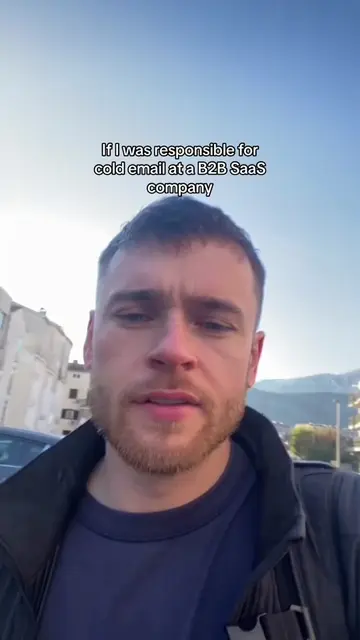
Hook
$0 to $20M in 3 years, here's what I learned
@saasliam
2.2K followers · usually 845 views a post
Views
7.6K
Likes
258
Comments
18
Shares
17
Selling · SaaS › Other SaaS
—
Why it worked
The video offers contrarian advice that challenges common startup narratives, appealing to founders seeking alternative paths to success. The speaker's direct and confident delivery, combined with a relatable message about efficiency and profitability, likely resonated with the target audience.
Summary
The speaker shares insights on building a successful SaaS company, emphasizing bootstrapping and focusing on fundamentals over venture capital. They argue that many founders are misled by the VC narrative and that prioritizing long-term profitability and efficient growth is key to success.
Structure
- 1Introduction: $0 to $20M ARR in 3 years, bootstrapped company.
- 2Debunking the VC myth: Raising millions isn't always necessary.
- 3Founder vs. VC incentives: Different games, different goals.
- 4The shift post-2022: Focus on efficiency and profitability.
- 5Key learnings: Market understanding, messaging, product, and distribution.
- 6The 'simple' truth: Execution of basics leads to success.
Product placement
The speaker discusses the general concept of building a SaaS company and contrasts the approach of venture capital-funded startups with bootstrapped ones. No specific product is named or demonstrated.
Original caption
$0 to $20M in 3 years, here’s what I learned #SaaS #saasmarketing #metaads #meta #metamarketing #marketing #software #softwarecompanies #softwaremarketing #b2b #b2bsaas #b2bmarketing #b2bsaasmarketing #demangen #gtm #startup #Tech
More from @saasliam
Their other posts in the index, biggest breakout first.