Loading video…
All breakouts
4.1Silent UGCDirect Question hookEducation
Hook
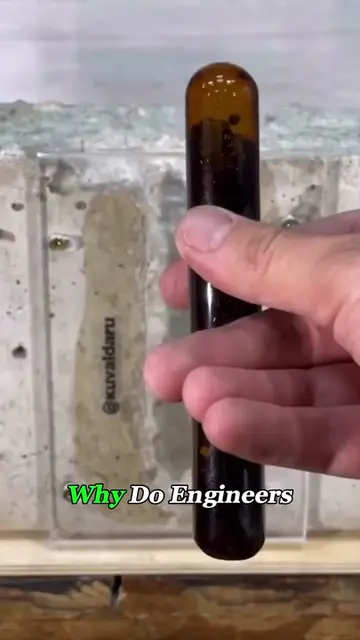
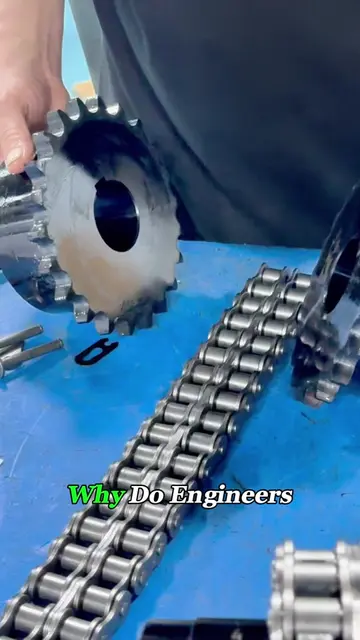
Why Do Engineers
@lumiobro
96.3K followers · usually 76.5K views a post
Views
341.6K
Likes
9.5K
Comments
45
Shares
631
Why it worked
The video provides a clear, visual explanation of a critical engine component's function, appealing to a DIY and automotive enthusiast audience. The use of on-screen text makes it accessible even without audio.
Summary
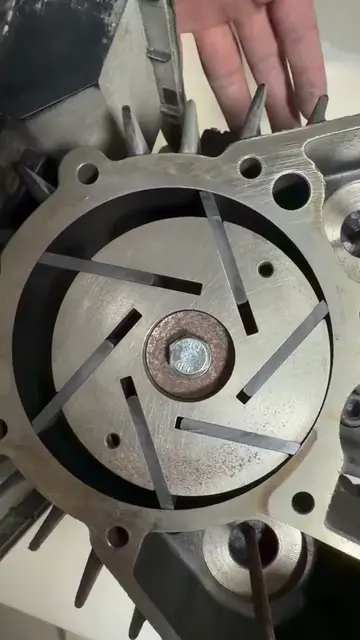
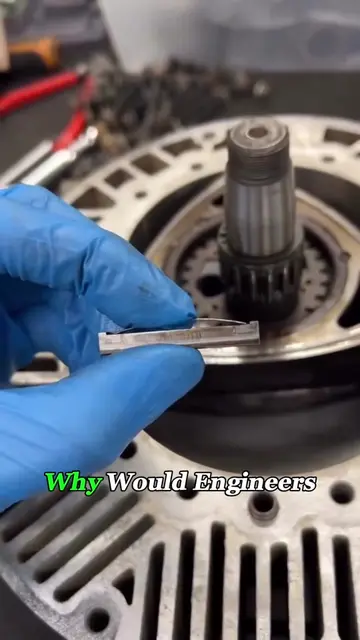
The video demonstrates the importance of the end gap on piston rings. It explains that this gap allows for thermal expansion and prevents the ring from damaging the cylinder wall or breaking when the engine heats up. The video shows how to test the gap using a feeler gauge to ensure it is within the correct specifications.
Structure
- 1Demonstrate piston ring installation
- 2Explain the end gap
- 3Show the gap's purpose for thermal expansion
- 4Illustrate consequences of incorrect gap
- 5Show testing the gap with a feeler gauge
On-screen text
Why Do Engineers
Put The Piston
Ring First
They Even Use
The Piston To
Inside
Isn'T The Piston
Be Installed On
The Piston
Not Installation
A Test And
The Small Openin
g In The Ring
Not A Completely
Closed Circle
It Must Leave
This Gap Is
Called The End
The Worker Puts
The Cylinder
Then Uses The
It Down Evenly
That Way The
Ring Sits Square
Inside The Cylinder
Tilt
A Thin Feeler
Gauge To Check
The Blade Slides
Into The Opening
The Size Is
Or Lifts One
And Check Whether
The Ring Lines
So Why Not
Circle From The
It Is Not
Just For Easier
Installation
Reason Is Heat
Expansion
Is Running
Gets Hot And Expand
S
A Closed Circle
Nowhere To Expand
It Would Push
Hard Against The
Cylinder Wall
That Could Scratch
Cause Scoring Or
Even Break The
Piston Ring
Cannot Be Too
Large Either
Gap Is Too
High Pressure
Combustion
Downward Through It
The Engine Loses
Power It May
By And Oil
So The Piston
Ring Must Be
Tested Inside The
Cylinder First
Tiny Gap Is
Correct Can The
Ring Seal Properly
Without Destroying The
Engine
Original caption
Why Test Piston Rings Before Installing Them?#fyp #engine #mechanicsoftiktok #howthingswork #foryou
More from @lumiobro
More breakout videos from this creator.