Loading video…
All breakouts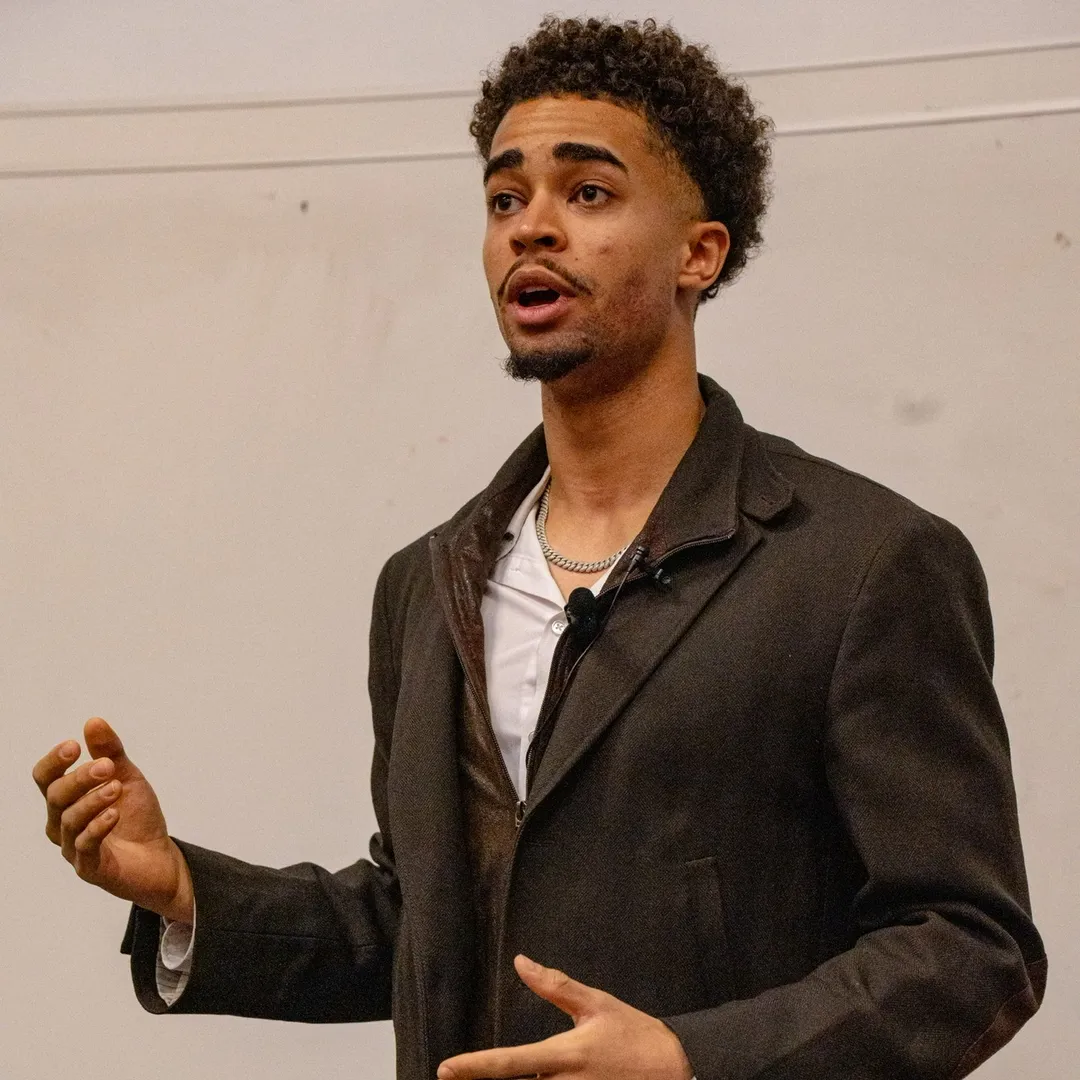
15.4Talking HeadListicle hookEducation
Hook
12 things to do if you're graduating and losing your student email
@sturdythoughts
72.9K followers · usually 8.3K views a post
Views
116.3K
Likes
9.7K
Comments
15
Shares
1.2K
Why it worked
The video provides high-utility, actionable advice for a specific life transition, making it highly shareable and saveable for the target audience.
Summary
The creator provides a 12-step checklist for students who are about to lose access to their university email after graduation. The advice covers securing alumni addresses, downloading important files, updating account logins, and leveraging student discounts and bank account offers.
Structure
- 1Introduction to the problem of losing student email
- 2Steps 1-3: Securing alumni access and backing up files
- 3Steps 4-6: Updating logins and maximizing student discounts
- 4Steps 7-9: Saving important emails and banking benefits
- 5Steps 10-12: Alumni benefits and career opportunities
- 6Closing call to action for engagement
Call to action
Let me know if I missed anything. I can drop a part two, follow for more.
On-screen text
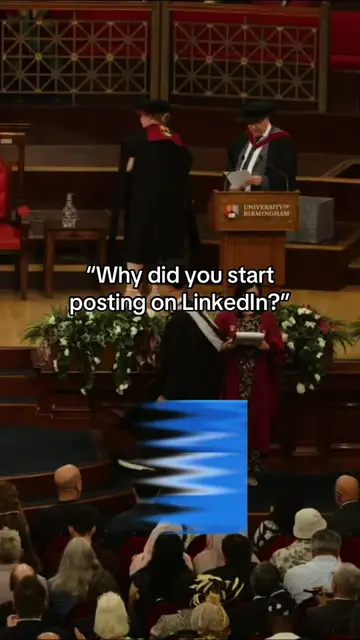
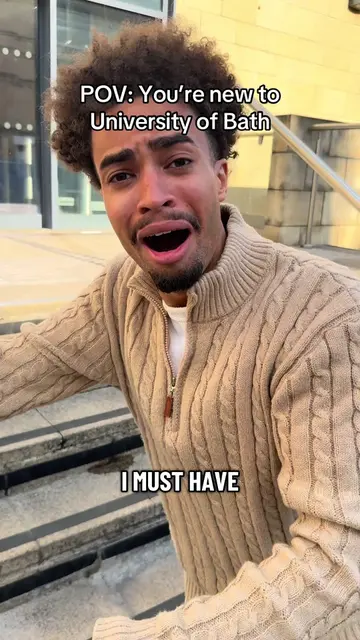
12 things to do if you're graduating and losing your student email
we will close your IT account
1. Secure your alumni address
Impressive they managed to get an official University email address
2. Download all your project files, assignments, dissertation slides etc
3. Extract third party apps that need student email
4. Change your uni login email everywhere
5. Redeem student software free
6. Maximise your student discounts
7. Download important emails
8. Update your contact/CV links
9. Get your student/grad bank account with free cashback
10. Check your alumni benefits (search 'alumni' in your inbox)
11. Save emails of professors you might need a reference from
12. Check graduate scholarships/opportunities
Original caption
Do this before you lose your student email address after graduating #graduation #university #email #unistudent #degree
More from @sturdythoughts
More breakout videos from this creator.