Loading video…
Sound

original sound - thehuntington
The Huntington · Original audio
0:00–:––
Playing this video’s own audio, so you’ll hear the creator over the sound.
The video demonstrates a niche and visually interesting conservation technique, providing educational value and satisfying curiosity about book repair. The clear, step-by-step process and the 'before and after' implication of repairing damaged pages likely resonated with viewers interested in preservation and craftsmanship.
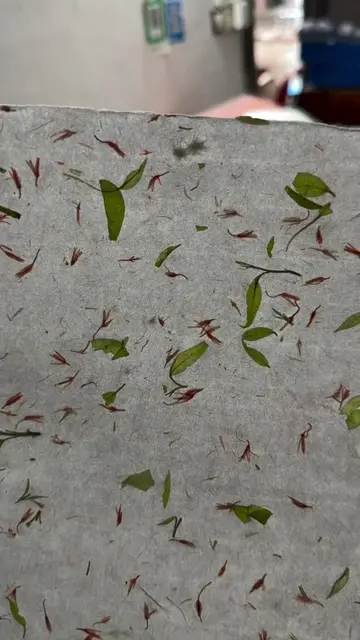
The video demonstrates the process of leafcasting, a papermaking technique used to repair damaged old books. It shows how to prepare pulp, fill the leafcaster tank, and then transfer the newly formed paper sheets to a suction table for drying.
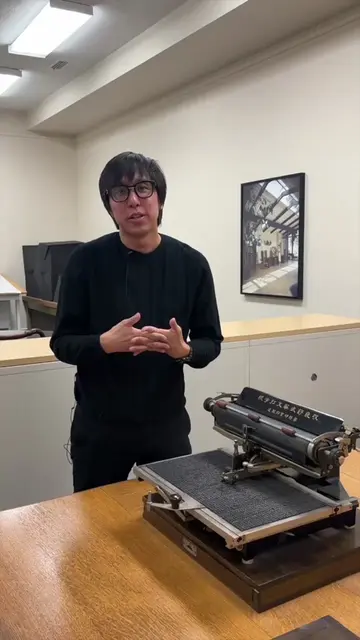
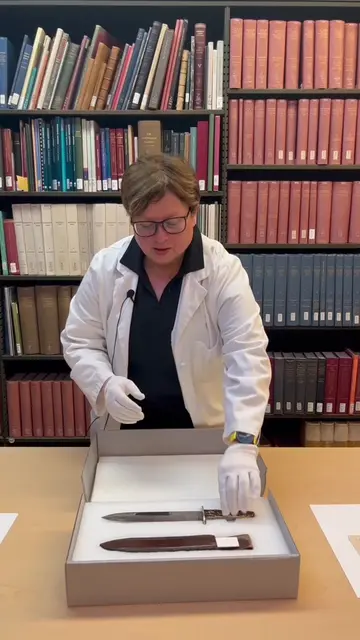
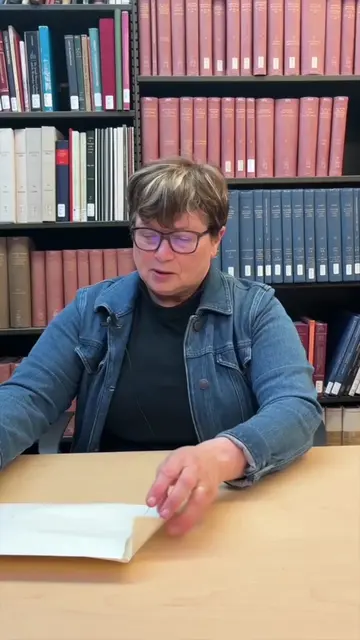
When a book has dozens of damaged pages, repairing each one by hand isn't always practical. 📖🍃 Our conservator Austin shares how we use leafcasting to stabilize multiple damaged pages at once.
Today, we're going to be repairing a
Introduction to leafcasting for book repair
Explanation of the technique and causes of damage
Preparation of pulp and filling the leafcaster
Draining the tank and pulp settling
Transferring and drying the new paper sheets
Leafcaster: This is a machine used for repairing damaged old paper by creating new paper pulp to fill in losses. It acts as a tool in the conservation process. Its interface is operated, it generates a result (repaired paper), and its function is explained. Removing it would change what happens in the video. The Huntington: This is the name of the institution where the video is filmed and the conservator works. It appears as a watermark/attribution in the video, but its presence does not change what happens in the video.
Playing this video’s own audio, so you’ll hear the creator over the sound.
Outliers and viral hits: their videos on Overshot, all time.
Book and document conservation machine for restoring damaged paper artifacts
All time.