Loading video…
All breakouts
4.2App DemoProblem Callout hookAI Tools
Hook
NO GAME ENGINE
@maxveroo
2.3K followers · usually 793 views a post
Views
2.0K
Likes
49
Comments
0
Shares
1
Why it worked
The video effectively demonstrates a novel AI application (playing a game without a traditional engine) with clear visuals and explanations, tapping into the popular interest in AI and gaming.
Summary
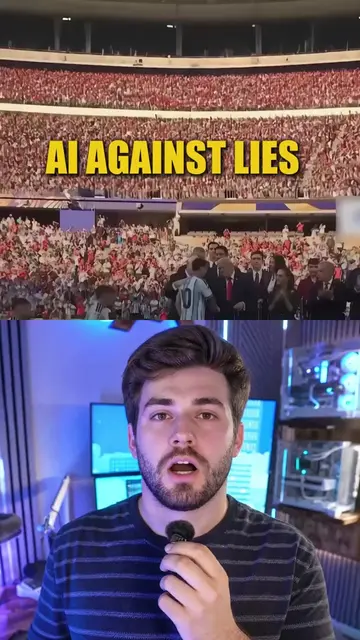
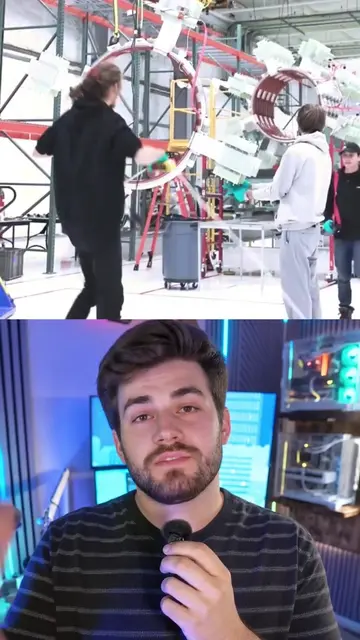
This video introduces Mira, an AI model that can play Rocket League without a traditional game engine, physics, or graphics code. It learns gameplay from pixels alone and is being used to train AI for real-world applications like robotics and self-driving cars.
Structure
- 1Introduction to playable video game without game engine
- 2Explanation of Mira AI and its capabilities
- 3How Mira learns from data (10,000 hours of AI bots)
- 4Demonstration of Mira's simulation of game mechanics
Original caption
send a DM with Mira AI Rocket League Mira just ran a fully playable 2v2 Rocket League game powered entirely by a neural network predicting every frame live—no game engine, physics, or graphics code involved. This breakthrough AI world model learned gameplay from pixels alone, showcasing a viral new invention that’s changing how AI can simulate real-world physics for safer robot and self-driving car training. #miraai #aigaming #rocketleagueai #neuralnetwork #virtualsimulation
More from @maxveroo
More breakout videos from this creator.