Loading video…
Sound

original sound - sarainwondertech
Sara ~ AI | Tech | Startup · Original audio
0:00–:––
Playing this video’s own audio, so you’ll hear the creator over the sound.
We didn’t find a product being promoted in this video. Its hook, format and structure below still show why it took off.
Browse products winning on TikTokThe video uses a compelling historical example (Einstein and General Relativity) to explain a complex concept (AI's limitations in scientific discovery) in an accessible and engaging way, making it relatable and shareable.
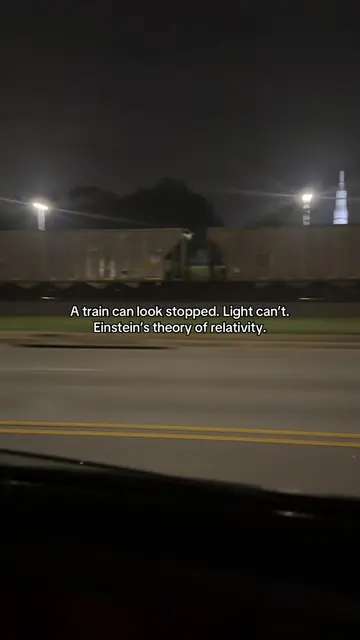
This video explains why AI, specifically LLMs, cannot currently make scientific discoveries in the same way humans do. It uses Einstein's development of General Relativity as an example, highlighting the "imaginative leap" required beyond logic and experience, which AI currently lacks.
Imagine giving AI everything Einstein knew in 1907. Could it invent General Relativity? A Google DeepMind researcher argues that it couldn’t. LLMs can reason from an existing idea. But Einstein believed science begins with something logic cannot produce: an imaginative leap from experience to a genuinely new explanation. The paper calls it “the jump”, and argues that LLMs cannot make it. And that is the limit researchers would need to overcome for AI to achieve recursive self-improvement. Based on LLMs Can’t Jump by Tom Zahavy. #airesearch #googledeepmind #aidiscovery
Can AI really help us discover new science?
Introduction: Can AI discover science?
Einstein's General Relativity and the Mercury anomaly
The scientific method: experience, axiom, prediction, test
AI's limitation: cannot make the 'jump' from experience to new ideas
Conclusion: LLMs lack the imaginative leap for true discovery
share this video and hit follow for more well researched AI content
Playing this video’s own audio, so you’ll hear the creator over the sound.
Promotes 4 products. Create free account to see more.
Outliers and viral hits: their videos on Overshot, all time.