Loading video…
All breakouts
11.4Talking HeadDirect Question hookHealth
Hook
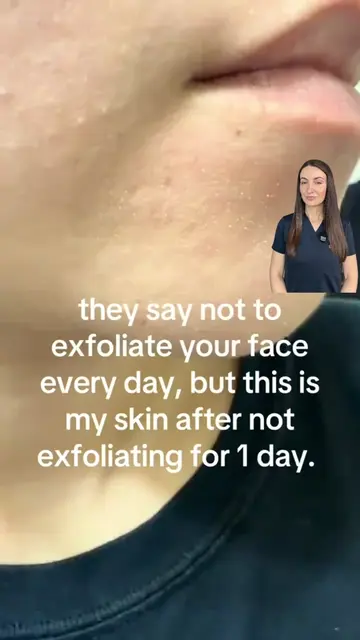
Are those Blackheads or Sebaceous Filaments?
@draleksandrabrown
162.2K followers · usually 9.4K views a post
Views
104.0K
Likes
408
Comments
9
Shares
17
Promoted product
—
Why it worked
The video effectively breaks down a common skincare confusion with clear explanations and actionable advice, using visual aids and a relatable tone to educate viewers on treating both sebaceous filaments and blackheads.
Summary
A dermatologist explains the difference between blackheads and sebaceous filaments, clarifying that sebaceous filaments are normal and become blackheads when oxidized and inflamed. She then outlines a three-step treatment plan involving salicylic acid, retinoids, and a sulfur mask to manage both conditions.
Structure
- 1Introduction: Blackheads vs. Sebaceous Filaments
- 2Explanation of Sebaceous Filaments
- 3Explanation of Blackheads and Oxidation
- 4Treatment Step 1: Salicylic Acid
- 5Treatment Step 2: Retinoids
- 6Treatment Step 3: Sulfur Mask
- 7Conclusion: Treatment is the same, don't worry about exact identification.
Product placement
Original caption
#sebaceousfilaments #sebaceousfilament #pores #largepores #largeporestreatment
More from @draleksandrabrown
More breakout videos from this creator.