How Bonds Impact YOU
BONDS
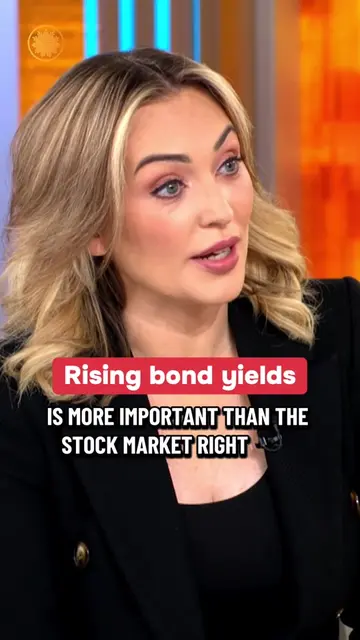
BONDS ARE IN THE NEWS.
WHY DOES THAT MATTER TO YOUR INVESTMENTS IN YOUR MORTGAGE AND YOUR SPENDING?
WELL, BONDS ARE SUPPOSED TO BE BORING AND SAFE,
SO WHY CAN THEY DAMAGE YOUR PENSION,
YOUR MORTGAGE AND EVEN THE VALUE OF YOUR SHARES?
I'M GONNA EXPLAIN IT IN SIMPLE TERMS.
FIRST, WHAT IS A BOND?
A BOND IS SIMPLY AN IOU. YOU LEND MONEY TO THE GOVERNMENT OR A COMPANY. THEY PROMISE TO PAY YOU INTEREST AND RETURN YOUR MONEY LATER.
SO IF YOU BUY 100 POUND GOVERNMENT BOND PAYING 4% A YEAR YOU ARE LENDING THE GOVERNMENT £100 AND RECEIVING 4% INTEREST OR YIELD.
SECOND, WHY ARE BOND YIELDS RISING NOW?
BOND PRICES AND BOND YIELDS MOVE IN OPPOSITE DIRECTIONS.
THINK OF A SEESAW. BOND PRICES GO DOWN, YIELD UP.
THEY MOVE IN OPPOSITE DIRECTIONS.
BOND YIELDS ARE RISING BECAUSE INVESTORS ARE WORRIED ABOUT INFLATION,
GOVERNMENT BORROWING, AND WHETHER INTEREST RATES WILL REMAIN HIGHER FOR LONGER.
THESE ARE THE FACTORS THAT AFFECT BOND YIELDS.
DON'T WORRY ABOUT IT TOO MUCH.
U.K. INFLATION RECENTLY ROSE TO 2.9% ABOVE THE BANK OF ENGLAND'S 2% TARGET.
INVESTORS THEREFORE WANT MORE INTEREST BEFORE LENDING MONEY TO THE GOVERNMENT.
SAME PROBLEM IN THE U.S. BUDGET DEFICIT.
HIGHER YIELDS HIT COMPANIES
LOAN
BORROWING COSTS UP
PROFITS DOWN
FISCAL SHARES
SHARE PRICES UNDER PRESSURE
WHAT DOES THAT MEAN FOR COMPANIES AND MORTGAGES?
HIGH BOND DEALS MAKE BORROWING MORE EXPENSIVE.
COMPANIES MUST PAY MORE INTEREST WHEN THEY WANT TO BORROW.
THAT LEAVES LESS MONEY FOR INVESTMENTS AND FOR SHAREHOLDERS.
IT CAN ALSO PUSH SHARE PRICES DOWN BECAUSE INVESTORS CAN EARN A BETTER RETURN FROM BONDS WITHOUT TAKING AS MUCH RISK.
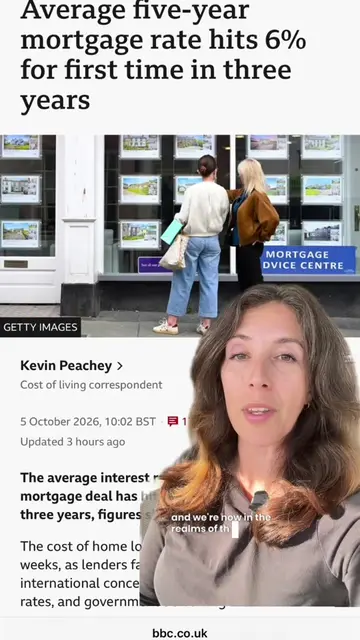
MORTGAGE RATES CAN REMAIN HIGH.
BANKS PARTLY USE THE MARKET INTEREST RATES, INCLUDING BOND YIELDS, WHEN DECIDING WHAT TO CHARGE BORROWERS.
WHAT ABOUT MORTGAGES?
MARKET RATES UP
FIXED MORTGAGES COST MORE
SO HIGHER YIELDS CAN MEAN MORE EXPENSIVE MORTGAGES, MONTHLY PAYMENTS CAN RISE.
LOWER COMPANY PROFITS, AND PRESSURE ON SHARE PRICES.
FINALLY, WHY ARE PENSIONS FULL OF BONDS NOT NECESSARILY SAFE?
BECAUSE A BOND CAN BE SAFE IF YOU HOLD IT UNTIL IT PAYS YOU BACK,
BUT ITS PRICE CAN STILL FALL HEAVILY BEFORE THEN.
IMAGINE YOUR OLD BOND PAYS 2%, BUT NEW BONDS SUDDENLY PAY 5%.
WHO WANTS YOUR 2% BOND?
THE PRICE FALLS.
ONLY SOMEONE WHO CAN BUY IT CHEAPLY WOULD WANT IT.
THAT'S WHY THE PRICE FALLS.
THAT IS WHY BOND HEAVY PENSIONS CAN LOSE MONEY.
SAFE DOES NOT MEAN THE PRICE CANNOT DROP.
BECAUSE ALL OF A SUDDEN THOSE BONDS ARE WORTH LESS IN YOUR PENSION THAN YOU ACTUALLY THOUGHT.
THIS HAPPENED IN 2022 WITH LIS TRUST SAFE ASSETS BECOME UNSAFE WHEN PENSION FUNDS WERE FORCED TO SELL THEM QUICKLY.
YOU MIGHT THINK I DON'T NEED TO WORRY ABOUT THIS BECAUSE I'LL JUST HOLD IT BUT IS YOUR PENSION FUND HOLDING THAT TO MATURITY.
THAT'S WHY A LOT OF PENSIONS LOST A LOT OF MONEY THE YEAR BEFORE RETIRING.
SO BONDS ARE NOT BAD, BUT CALLING THEM AUTOMATICALLY SAFE IS FINANCIAL BABY TALK.
THE REAL QUESTIONS ARE WHICH BONDS, AT WHAT PRICE, FOR HOW LONG AND WHAT HAPPENS IF YOU NEED YOUR MONEY EARLIER.
MOST PEOPLE DON'T UNDERSTAND THOSE NUANCES.
IF YOU WANT AN X-RAY OF YOUR PORTFOLIO PENSION FUND, USUALLY BECAUSE YOU'VE GOT THE QUESTION THAT YOU HAVEN'T STARTED OR YOU DON'T UNDERSTAND WHAT'S IN IT AND WHY GROWTH IS SO LOW.
WE'LL DO A FREE EDUCATIONAL PORTFOLIO PENSION REVIEW FOR YOU.
JUST LOOK AT THE LINK IN THE BIO AND GET IN TOUCH WITH US. THANK YOU.