Loading video…
All breakouts
21.2Text-HeavyOther hookEntertainment
Hook
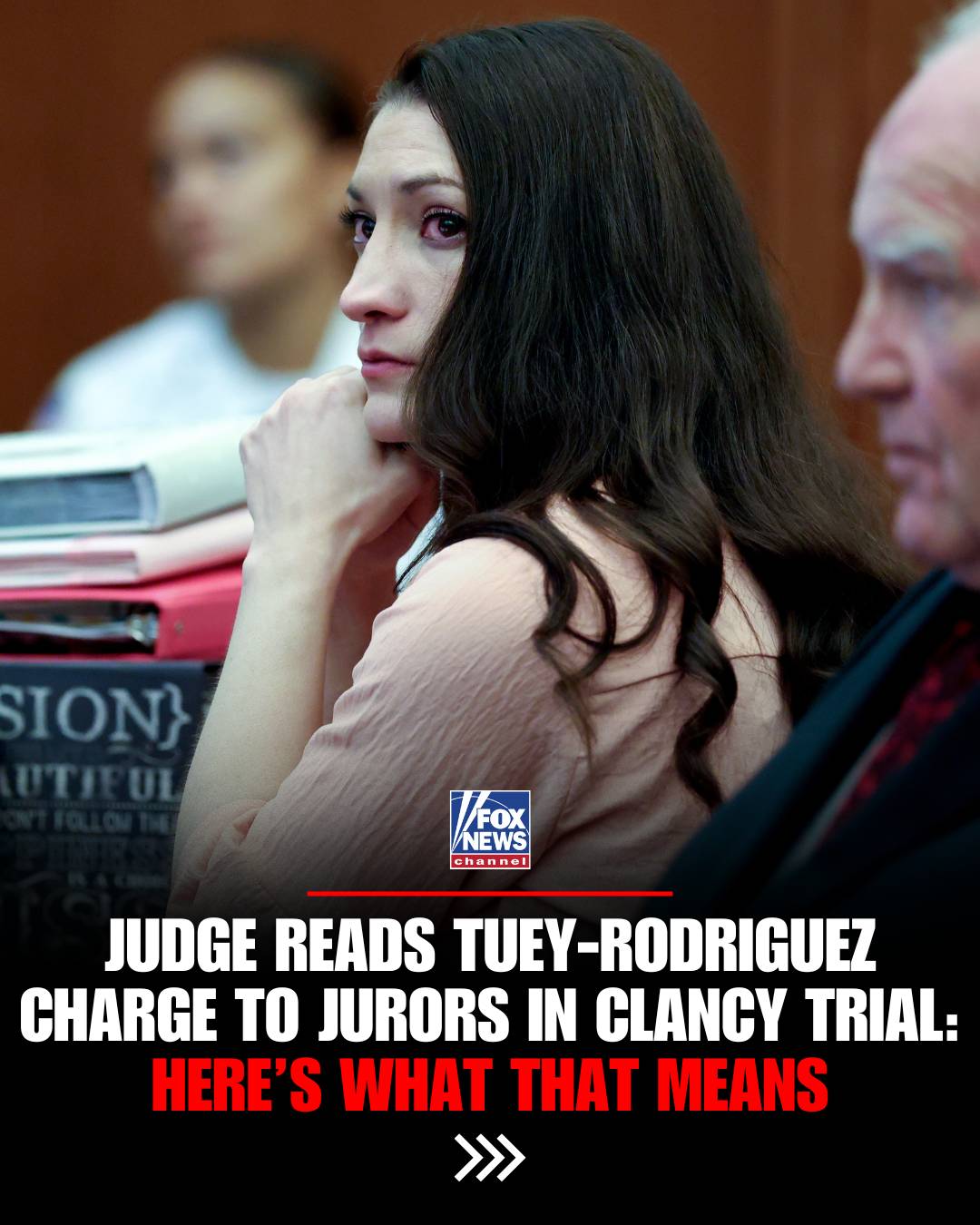
JUDGE READS TUEY-RODRIGUEZ CHARGE TO JURORS IN CLANCY TRIAL: HERE'S WHAT THAT MEANS
@foxnews
12.3M followers · usually 18.2K views a post
Views
562.3K
Likes
11.5K
Comments
953
Shares
980
Why it worked
The content addresses a specific, timely legal procedure relevant to a high-profile case, providing clear, concise explanations in an easily digestible format for a broad audience.
Summary
This slideshow explains the Tuey-Rodriguez charge, a special instruction given by a Massachusetts judge when a jury is deadlocked. It details what the charge means, why it's used, what it tells jurors, and the potential next steps, including a mistrial or retrial.
Structure
- 1Introduction of the Tuey-Rodriguez charge
- 2Definition and purpose of the charge
- 3Instructions given to jurors
- 4Consequences of continued deadlock
- 5Prosecution's decision on retrial
Product placement
Fox News Channel (app/watermark): appears as a logo in the corner of every slide. Removing it would not change what happens in the video.
On-screen text
JUDGE READS TUEY-RODRIGUEZ CHARGE TO JURORS IN CLANCY TRIAL: HERE'S WHAT THAT MEANS
What is it?
A Tuey-Rodriguez charge is a special instruction a Massachusetts judge gives when a jury says it's deadlocked.
Why is it used?
It's a final effort to encourage jurors to reach a unanimous verdict.
What does it tell jurors?
• Reconsider their positions.
• Listen carefully to one another.
• Remember another jury may not be better equipped to decide the case.
• Try to reach a unanimous verdict without giving up an honestly held belief.
What happens next?
If the jury says it's still deadlocked after these instructions and doesn't want to keep deliberating, the judge must declare a mistrial.
Then what?
Prosecutors can decide whether to retry the case.
In this case: Judge Sullivan's instructions closely followed the standard Massachusetts model for a Tuey-Rodriguez charge.
Original caption
The jury in Lindsay Clancy's murder trial says it's still deadlocked after days of deliberations. Clancy is accused of killing her three young children in 2023. Jurors are deciding whether she is guilty of murder or not criminally responsible because of a severe mental illness. Her defense argues she was suffering from postpartum psychosis at the time of the killings. Attorneys say she had also sought treatment for mental health issues before the deaths. The judge has now issued a Tuey-Rodriguez charge. Here's what it means...and what could happen next.
More from @foxnews
More breakout videos from this creator.