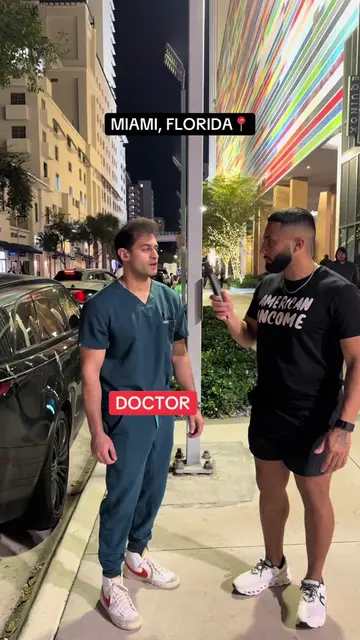
What do you do for work?
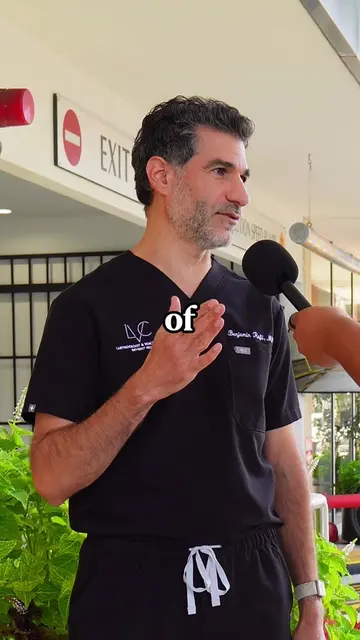
I'm a thoracic surgeon.
Okay. Do you think you can answer five questions every thoracic surgeon should know?
Sounds good. I'm good. Alright. I'll ask you five questions. Each one will get harder if you get it right.
Good. Doing.
How long have you been doing this for?
I have been a surgeon for 11 years.
Wow. Okay. Number one. What's the difference between a pneumonectomy and a lobectomy?
A pneumonectomy is when you take out an entire lung. A lobectomy is when you take out a single anatomical lobe of the lung.
Good. One for one.
Um, what's the difference between VATS and an open thoracotomy as surgical approaches?
VATS is a minimally invasive, sort of keyhole incision, and thoracotomy is just one single big incision.
Perfect. Two.
Are these kind of easy for you?
Yeah.
Okay, let's try some harder ones. Um, what's the difference between pleural effusion and empyema?
Empyema is a complicated pleural effusion. So it's often multiloculated, often persistent for a while, it's organizing. Effusion just means that it's fluid accumulating in the pleural space.
Perfect. Three for three.
Um, what's the difference between anatomical and non-anatomical resection?
So, anatomical lung resection or segmentectomy or lobectomy where you're actually dividing structures and that's the particular the lung or the lobe of the lung. Non-anatomical resection is just a wedge resection, just taking out lung tissue without dividing any of those structures.
Perfect. Yeah. Four for four.
Okay, last one. This is the hardest one. Um, okay. What is the difference between induction therapy and adjuvant therapy for resectable stage three non-small cell lung cancer?
For resectable stage three lung cancer, uh, induction therapy is usually immunotherapy or chemotherapy is given just preoperatively. That's checkmate regimen perioperatively, before and after surgery. That's the adjuvant regimen.
Perfect. Five for five.
And what is the salary range for a thoracic surgeon?
400k at UCLA, one and a half million.
Was that graduate?
I did, uh, four years of college, four years of medical school, and then close to a decade of surgical training. And I'm now faculty at UCLA. So the amount of education, money that I spent, probably 600k.
And last question for you. What piece of advice would you give to people that wanna go into your role, medical, finishing up undergraduate, what advice would you give them?
Go work with doctors, go work with clinicians. See if you enjoy patient care, working in clinics. There's a very specific subset of people who are able to do all of this training. Like I lost my entire head of hair in a decade in surgical training, but who are able to do a, a meaning coming helping patients get better.
Amazing. Thank you so much for your time. I really appreciate it. Have a good one.
without