Loading video…
Sound

original sound - voodies
Voodies Interviews · Original audio
0:00–:––
We didn’t find a product being promoted in this video. Its hook, format and structure below still show why it took off.
Browse products winning on TikTokThe video leverages a common street interview format to deliver educational content in a Q&A style, making complex medical information accessible and engaging through a relatable professional.
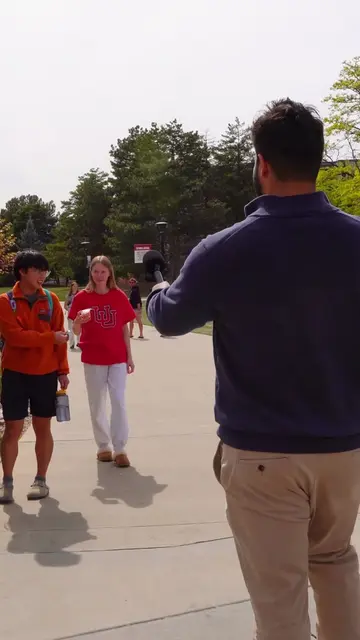
A street interviewer asks a vocal cord surgeon five trivia questions about his profession. The surgeon correctly answers questions about the functions of the larynx, the difference between true and false vocal cords, types of thyroidectomies, categories of thyroid cancer, and neck dissection compartments. He also briefly discusses surgical preparation and his motivation for becoming a surgeon, before sharing his educational background.
Vocal Chord Surgeron Trivia | Did you get the last one? #surgeon #doctor #medstudent #manonthestreet #streetinterview @Dr. Benjamin Rafii
What do you do for work?
Interviewer asks surgeon about his profession.
Surgeon answers trivia questions about vocal cords and thyroid conditions.
Surgeon discusses surgical preparation and motivation for his career.
Surgeon shares his educational background.
Promotes 2 products. Create free account to see more.
Outliers and viral hits: their videos on Overshot, all time.