Loading video…
Sound

original sound - iamnicorojas
Nico · Original audio
0:00–:––
Playing this video’s own audio, so you’ll hear the creator over the sound.
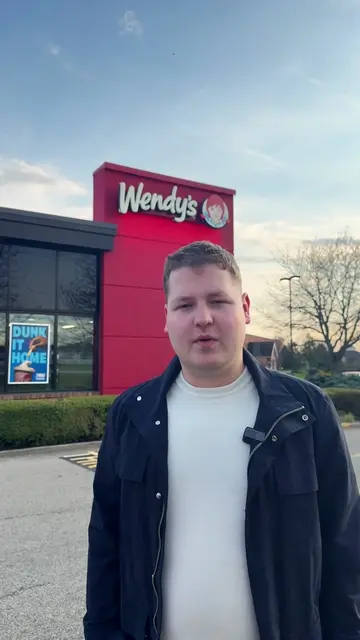
The video effectively uses relatable examples of brands (Crocs, Wendy's) that successfully turned negative attention into marketing wins. It then contrasts this with McDonald's initial misstep and subsequent successful pivot, demonstrating the power of embracing internet culture and memes for brand visibility.
This video explains how brands can leverage memes and mockery for marketing success, using Crocs and Wendy's as examples of brands that embraced negative attention. It then details how McDonald's initially failed with a forced promotion of their Big Arch burger, which became a meme, but ultimately capitalized on it by leaning into the meme, turning negative attention into massive exposure.
Their CEO called his burger a "product." Took the tiniest bite on camera. The internet did the rest. #brandstrategy #marketing101 #marketingstrategy
this went viral for all the wrong reasons
Introduction: Memes can be good for brands, but most are scared.
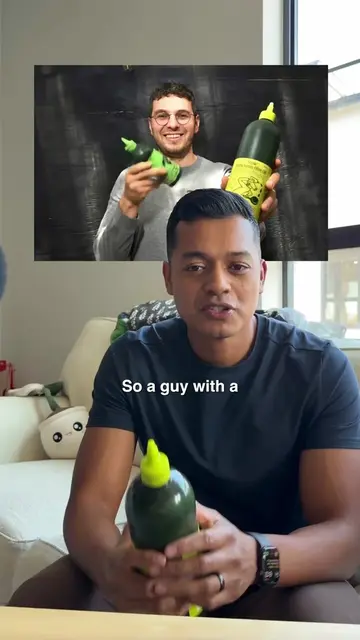
Example 1: Crocs embraced mockery and turned it into a success.
Example 2: Wendy's used roasting to build brand identity and engagement.
McDonald's initial failure: A forced promotion of the Big Arch burger backfired.
The internet's reaction: The CEO's awkwardness and the burger became a meme.
McDonald's pivot: They leaned into the meme, turning negative attention into massive exposure.
Conclusion: Mockery equals attention, and attention is key on social media.
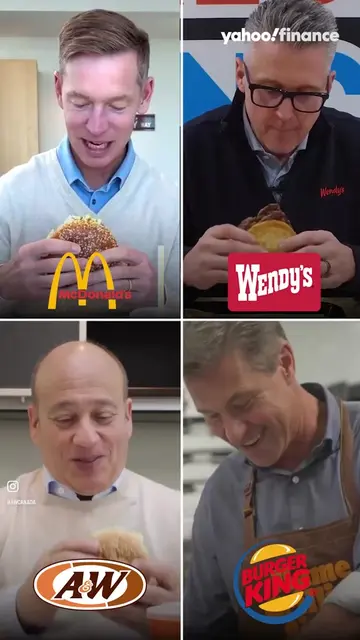
Crocs shoes are shown and discussed. Wendy's brand and Twitter interactions are shown. McDonald's brand, CEO video, and Big Arch burger are shown and discussed. Various other fast-food brands (Burger King, A&W, Dash In) are shown in a montage.
Playing this video’s own audio, so you’ll hear the creator over the sound.
Fast-food burger for McDonald's customers looking for a substantial meal
All time.
Promotes 7 products. Create free account to see more.
Outliers and viral hits: their videos on Overshot, all time.