Loading video…
All breakouts
49.8Talking HeadSocial Proof hookB2B
Hook
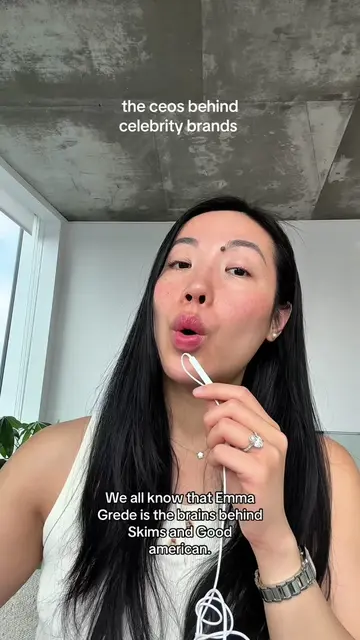
If it feels like everyone's starting a matcha brand these days
@secondbest_2
3.9K followers · usually 1.1K views a post
Views
66.3K
Likes
7.1K
Comments
101
Shares
764
Why it worked
The video provides high-value, educational industry analysis that satisfies curiosity about a popular trend, establishing the creator as an authority while maintaining high engagement through clear, structured storytelling.
Summary
The creator explains the business model and supply chain behind the matcha industry, highlighting the differences between white-labeling, working with wholesalers, and direct-to-farm sourcing. She uses these insights to explain why matcha brands have varying levels of quality and consistency.
Structure
- 1Introduction to the $5 billion matcha industry
- 2Explanation of the supply chain and middlemen
- 3Comparison of white-labeling vs. direct sourcing
- 4The trade-off between quality and consistency
- 5Conclusion on why sourcing is the key differentiator
Call to action
Follow for more deep dives like this.
On-screen text
The Business of Matcha
A matcha shortage is coming for social media's latest obsession
from Shuhari Kyoto on IG
from Shuhari Kyoto on IG
from Shuhari Kyoto on IG
Original caption
went down a rabbit hole on matcha after my video on rocky’s matcha a few days ago 🫣 #matcha #matchatok #business #sourcing
More from @secondbest_2
More breakout videos from this creator.