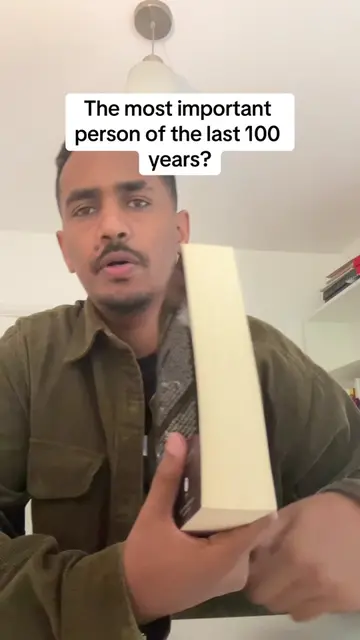
Loading video…
All breakouts
5.5Text-HeavyOther hookSaaS
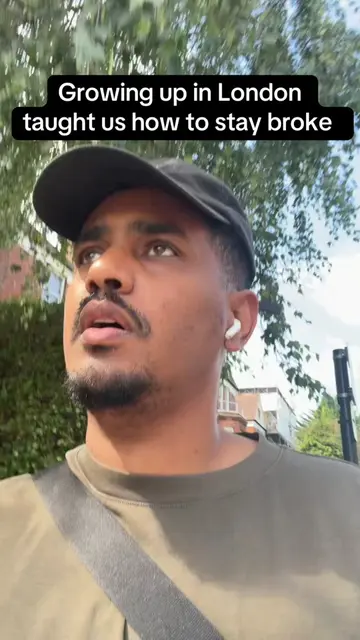
Hook
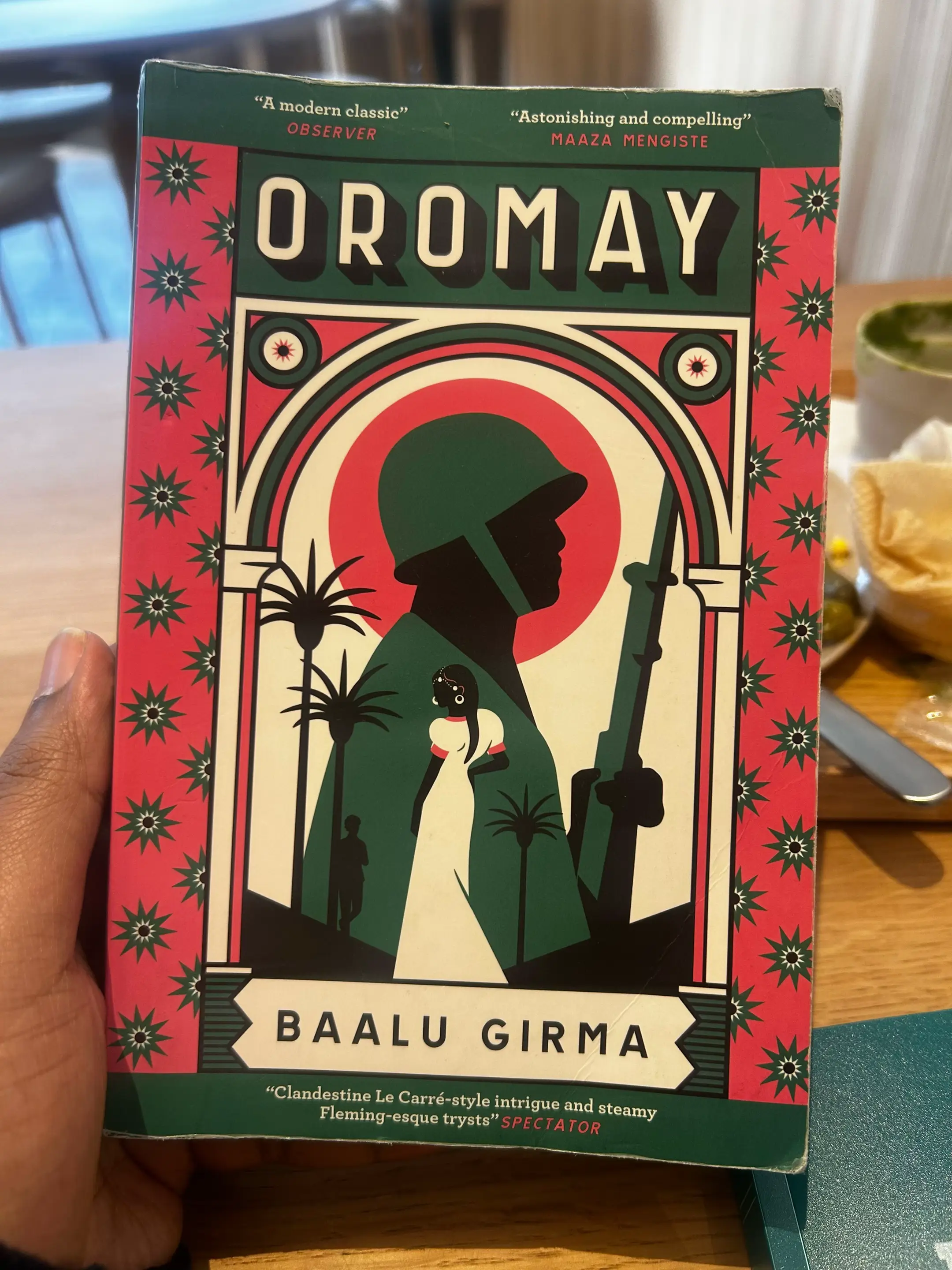
OROMAY
@michaelberhane
14.5K followers · usually 2.7K views a post
Views
16.4K
Likes
816
Comments
15
Shares
59
Why it worked
The post leverages a compelling narrative about a banned book and its author's tragic fate, creating intrigue and emotional resonance. The use of quotes from reputable sources and historical context adds credibility and depth, encouraging engagement with the book.
Summary
This post promotes the book "Oromay" by Baalu Girma, highlighting its historical context in Ethiopia and the author's tragic fate. It describes the book as a scathing satire of the Derg regime and encourages readers to engage with this significant work.
Structure
- 1Introduction of the book "Oromay"
- 2Synopsis of the book's plot and historical setting
- 3Information about the author and his disappearance
- 4
Original caption
A book written by a man who probably died for writing it. Oromay by Baalu Girma is a scathing satire of the Derg regime and its brutal attempts to crush the Eritrean independence movement. Published in 1983. Girma disappeared shortly after. Never seen again. Some books cost everything. This one is worth reading. #ethiopia #eritreantiktok #habeshatiktok
More from @michaelberhane
More breakout videos from this creator.