Loading video…
All breakouts
27.6Talking HeadPOV / Skit hookB2B
Hook
Imagine ruining your reputation for a Coachella ticket.
@nogood.io
192.6K followers · usually 3.8K views a post
Views
81.7K
Likes
1.8K
Comments
12
Shares
25
Why it worked
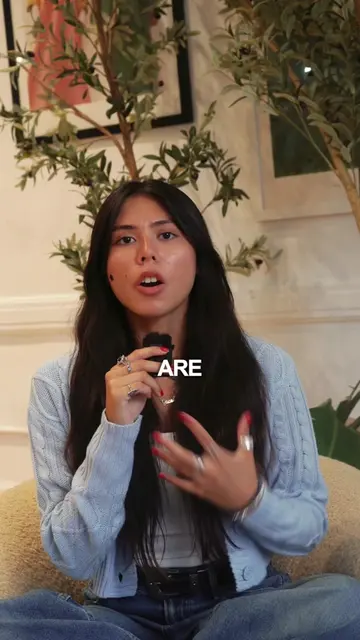
The video provides a timely, analytical take on a trending pop-culture controversy, positioning the creator as an expert in influencer marketing and brand strategy.
Summary
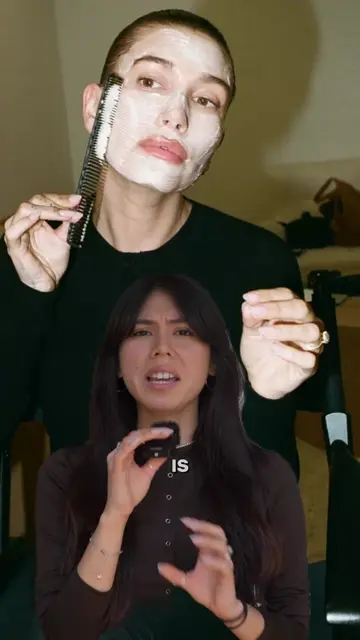
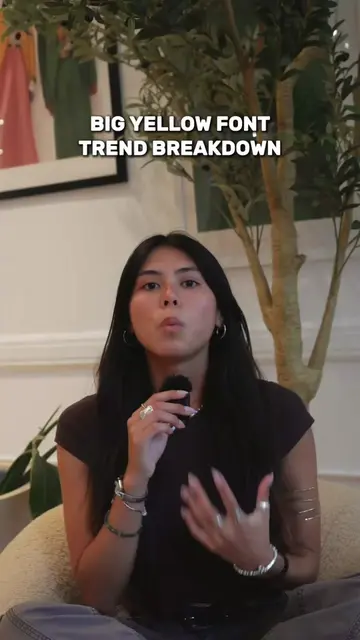
The creator analyzes the backlash faced by influencers who attended the Starbucks Coachella house, arguing that brand partnerships must align with an influencer's established brand identity to maintain audience trust. She emphasizes that in an era where audiences are increasingly selective, inconsistent brand choices can damage a creator's reputation.
Structure
- 1Introduction to the Starbucks Coachella controversy
- 2Explanation of brand alignment for influencers
- 3Comparison with the Poppi and Micky partnership
- 4Discussion on audience expectations and transparency
- 5Conclusion on the importance of brand identity
Product placement
Starbucks and Poppi are mentioned as examples of brand partnerships, but they are not being sold.
On-screen text
Starbucks Coachella HOUSE TOUR
STARBUCKS COACHELLA CONTROVERSY
#StarbucksCreator
Coachella “BranFlakez Controversy”
breaking down what % of my income as a content creator comes from brand partnerships vs. from IG/ TikTok's creator programs
everything you need to know about signing with a talent manager to help you monetize off of content creation
Mick Mansion
reasons why some creators have a large audience but don't get offered a lot of brand deals
“perfection is the prevention of progress”
pov influencers at Coachella...
Influencers at the Starbucks Coachella house
Original caption
the Starbucks house at Coachella was definitely one worth talking about...👀 #starbucks #coachella #influencers #controversy #marketing
More from @nogood.io
More breakout videos from this creator.