Loading video…
All breakouts
4.3Talking HeadDirect Question hookAI Tools
Hook
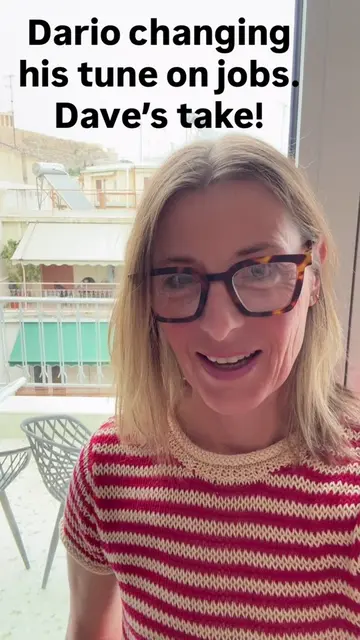
OpenAI changes their tune on jobs?
@stay_human25
21.0K followers · usually 1.2K views a post
Views
6.4K
Likes
246
Comments
10
Shares
14
Why it worked
The video taps into a timely and widespread concern about AI's impact on jobs, reframing the narrative from pure replacement to a more nuanced view of augmentation and value. The creator's direct address and clear breakdown of complex data make the information accessible and engaging.
Summary
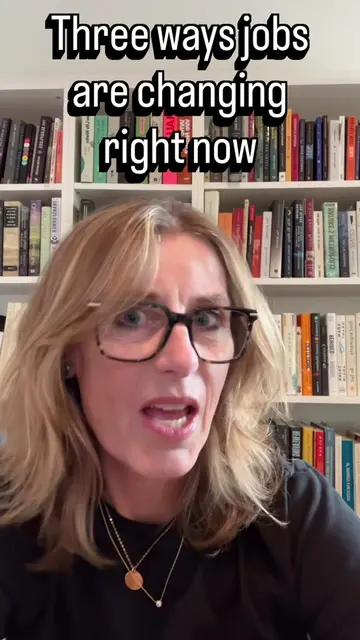
The video discusses how OpenAI's definition of "exposed jobs" has shifted from potential replacement to value, noting that jobs with high AI exposure are also the most valuable to OpenAI. The speaker suggests this shift is a strategic move to encourage AI adoption and mitigate backlash against the idea of human replacement.
Structure
- 1Introduction of OpenAI's changing stance on job exposure
- 2Explanation of 'exposure' and its limitations
- 3
Original caption
OpenAI now tells us the most exposed AI jobs are actually the most valuable - to them. Hmm, ok what might this mean? #stayhuman #AI #openai #chatgpt #aiandjobs
More from @stay_human25
More breakout videos from this creator.